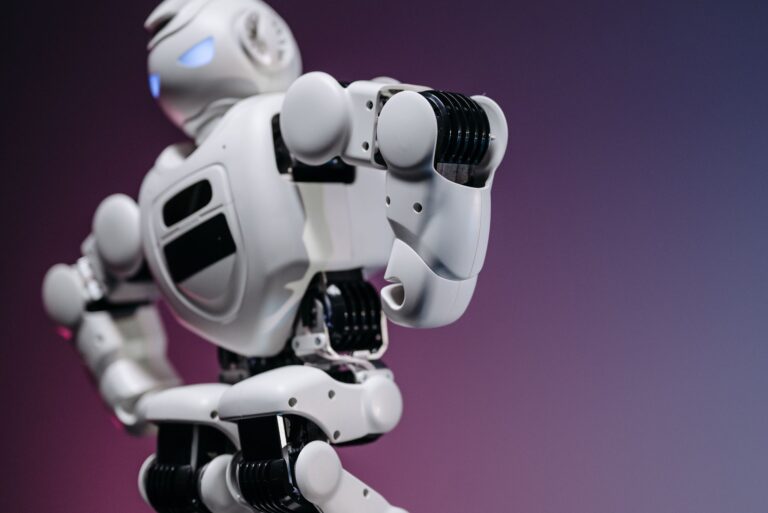

Robot startup funding applications explain how a new robotics company will build, test, and sell machines for manufacturing, logistics, and daily life. Manufacturing pitches center on factory work, logistics pitches center on moving and sorting goods, and daily-life pitches center on homes and public spaces. A funding application usually combines a technical plan, a business plan, and evidence from pilots. Readers can compare the three areas by customer, safety burden, and time to revenue.
Table of Contents
- What makes a manufacturing pitch credible?
- How does logistics change the pitch?
- Why are daily-life robots harder to fund?
- How should founders shape the application?
What makes a manufacturing pitch credible?
Factory buyers care about fit with existing lines. A strong application names the task, such as machine tending, welding support, assembly, or inspection. It shows how the robot connects to fixtures, controls, and safety systems. Reliability matters more than speed.
The application should describe duty cycle, maintenance needs, and changeover between parts. It should also explain training for operators and technicians. Integration risk often decides the outcome. Many factories use mixed equipment and tight floor space. A clear plan for installation, guarding, and production trials helps a funder judge real demand.
How does logistics change the pitch?
Logistics robots move, sort, and track goods in warehouses and transit points. Common examples include mobile transport platforms, picking arms, and sortation aids. The application should tie the robot to a flow, such as inbound, storage, pick, pack, or load. Funders look for throughput under normal mess.
The pitch should address varied box sizes, labels, lighting, and floor wear. It should also explain fleet behavior, charging, mapping, and response to a stalled unit. Labor and site fit shape adoption. The application should show how staff direct, override, and recover the system. A short pilot plan with clear tasks and success measures is often more useful than broad claims.
Why are daily-life robots harder to fund?
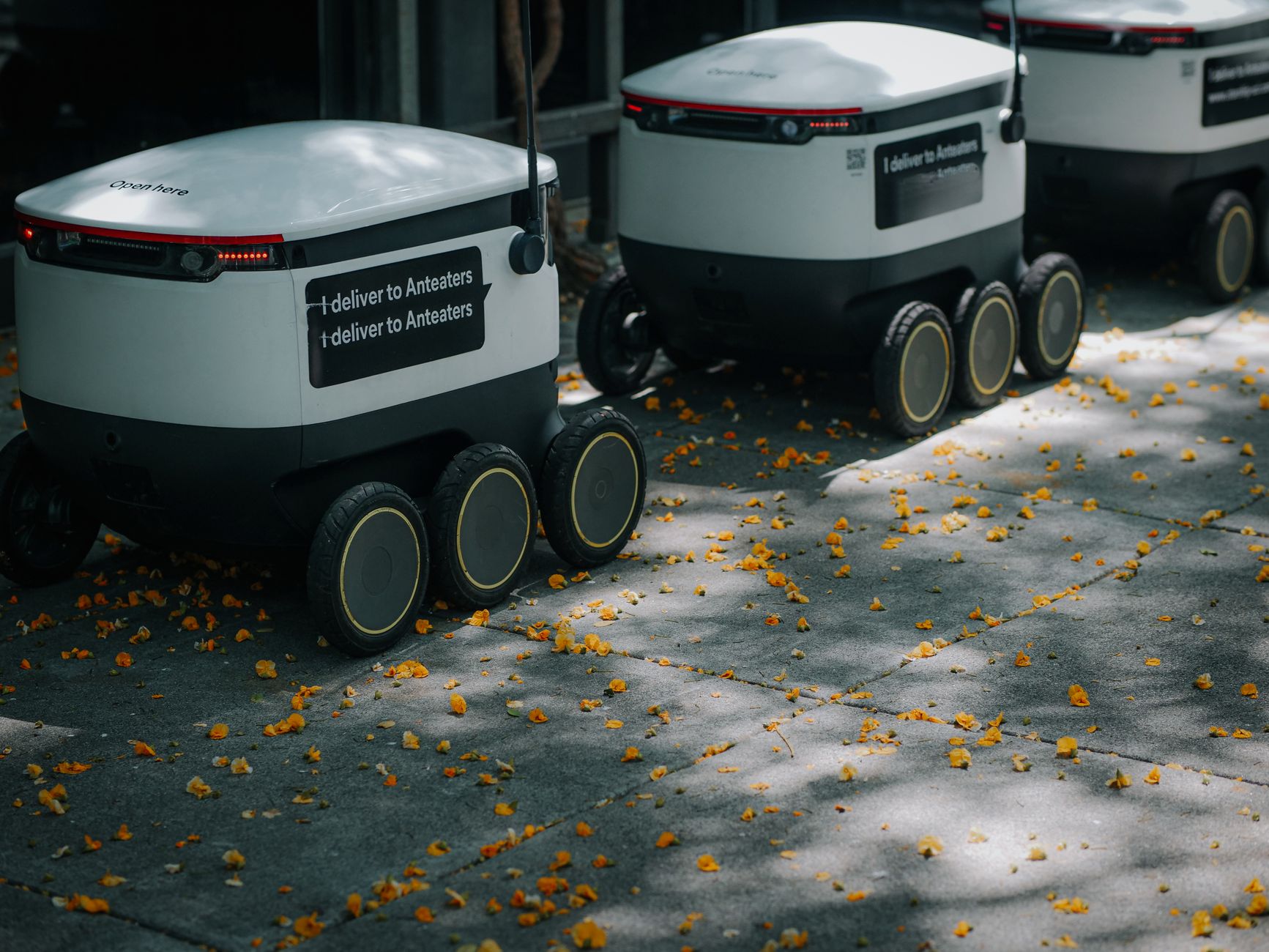
Daily-life robots work in homes, shops, clinics, and streets. Examples include cleaning machines, yard tools, delivery carriers, and simple assistive devices. These settings are less structured than factories. Usability and trust carry extra weight.
Controls must suit children, older adults, guests, and people with limited training. Noise, size, data collection, and behavior around pets and crowds also affect acceptance. Support costs can rise fast. The application should explain setup, cleaning, repairs, returns, and software updates. It should show how the team handles safety checks, misuse, and edge cases without on-site engineers.
How should founders shape the application?
A clear structure helps funders compare risk across the three markets. Keep the technical claim narrow and the business route plain.
Show what has been tested with users, not only what works in the lab. Close with one concrete next step. Offer a defined pilot site, task list, and decision point after the trial.
- Problem and buyer: who pays, what task changes, and what current option it replaces
- Machine and limits: core functions, operating range, and known failure modes
- Safety and rules: guards, stops, data handling, and site duties
- Pilot and money: trial length, measures of success, price logic, and service cost
- Team and supply: makers of key parts, assembly plan, and repair path