
Robotics funding rounds support working machines for manufacturing, logistics, and daily life. A funding round is a staged private investment that helps a startup build, test, and deploy its system.
Factory systems focus on repeatable tasks like assembly, inspection, and material handling. Warehouse systems move, sort, and track goods across busy sites. Home systems handle cleaning, yard work, and simple assistance with direct human contact.
Table of Contents
- What manufacturing applications must show
- Why logistics robots draw interest
- What daily-life robots must get right
- How to judge a funded application
- Where limits and tradeoffs remain
What manufacturing applications must show
Manufacturing robots earn support when they fit existing lines without long shutdowns. Common uses include machine tending, assembly help, welding support, and visual inspection. Inspection means cameras and software check parts for defects during production.
Buyers look for safe operation beside people, steady output across shifts, and simple reprogramming for new parts. Reprogramming means changing the task without rebuilding the cell. A pilot on one line matters more than a lab demo.
Why logistics robots draw interest
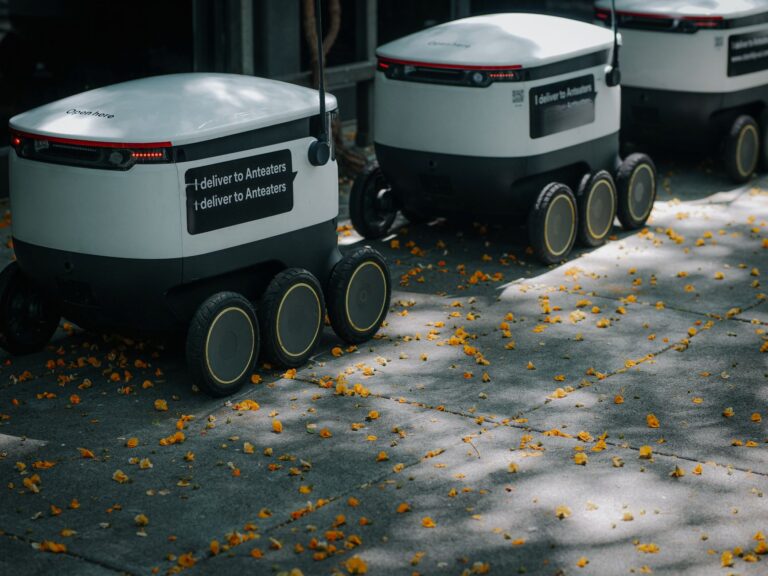
Logistics robots move goods inside warehouses and between work areas. An autonomous mobile robot is a wheeled platform that navigates with sensors and software. Typical jobs include shelf transport, pallet movement, sorting support, and inventory scans.
Operators value steady flow during peak demand and safe travel near workers. Systems must map changing aisles, avoid people and carts, and charge without disrupting shifts. Integration with warehouse software decides whether a pilot can expand.
What daily-life robots must get right
Daily-life robots work near children, pets, and guests with little training. Common examples include floor cleaners, lawn mowers, and simple fetch or monitoring helpers. Success depends on safe touch, clear controls, and reliable return to charging.
Buyers forgive limited features but not damage, noise, or complex setup. Designers must handle stairs, thresholds, loose cords, and changing light. Service access for blades, filters, and batteries shapes long-term use.
How to judge a funded application
Strong pitches name a narrow task, a clear buyer, and a site where the robot runs daily. Weak pitches promise broad human replacement without deployment detail.
Ask how the team handles installation, downtime, and staff training. Long installs, special flooring, or constant supervision raise cost and slow growth. Clear answers here often separate research projects from deployable products.
- Task fit: one job done well in a real workplace or home
- Safety plan: sensors, stops, and training for nearby people
- Service path: parts, repairs, and software updates after sale
- Expansion proof: repeat orders or longer pilots at more sites
Where limits and tradeoffs remain
Every funded application faces tradeoffs across speed, care, and cost. Faster motion needs more sensing and guarding to stay safe. Greater independence needs better maps, testing, and fallback behavior when signals fail.
Maintenance shapes value as much as autonomy. Filters clog, wheels wear, and software needs updates for new layouts. Readers can compare service time, spare availability, and training needs before backing wider rollout.