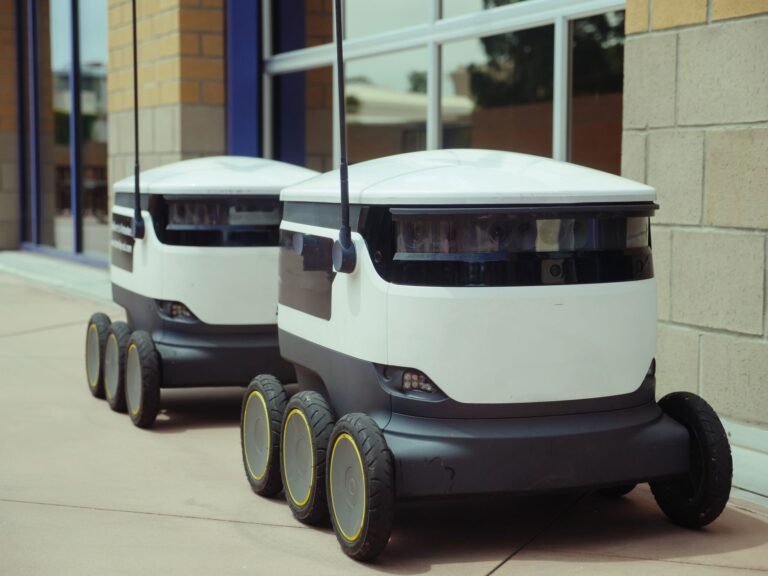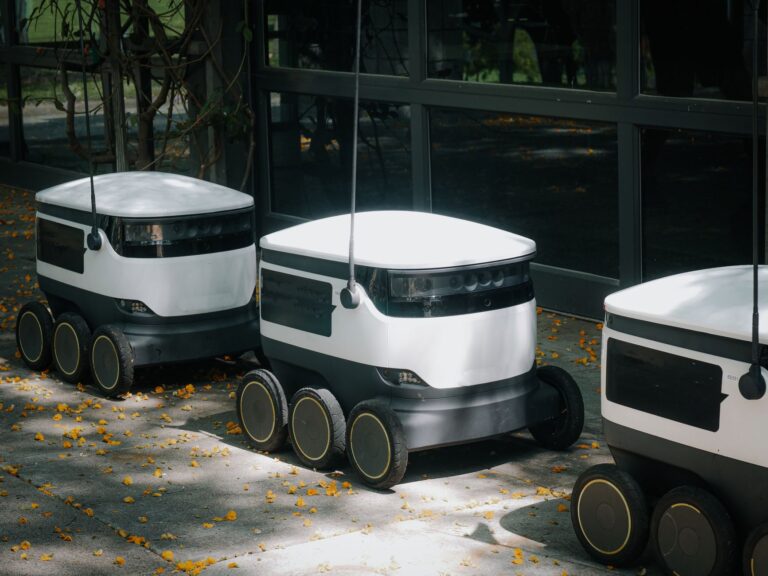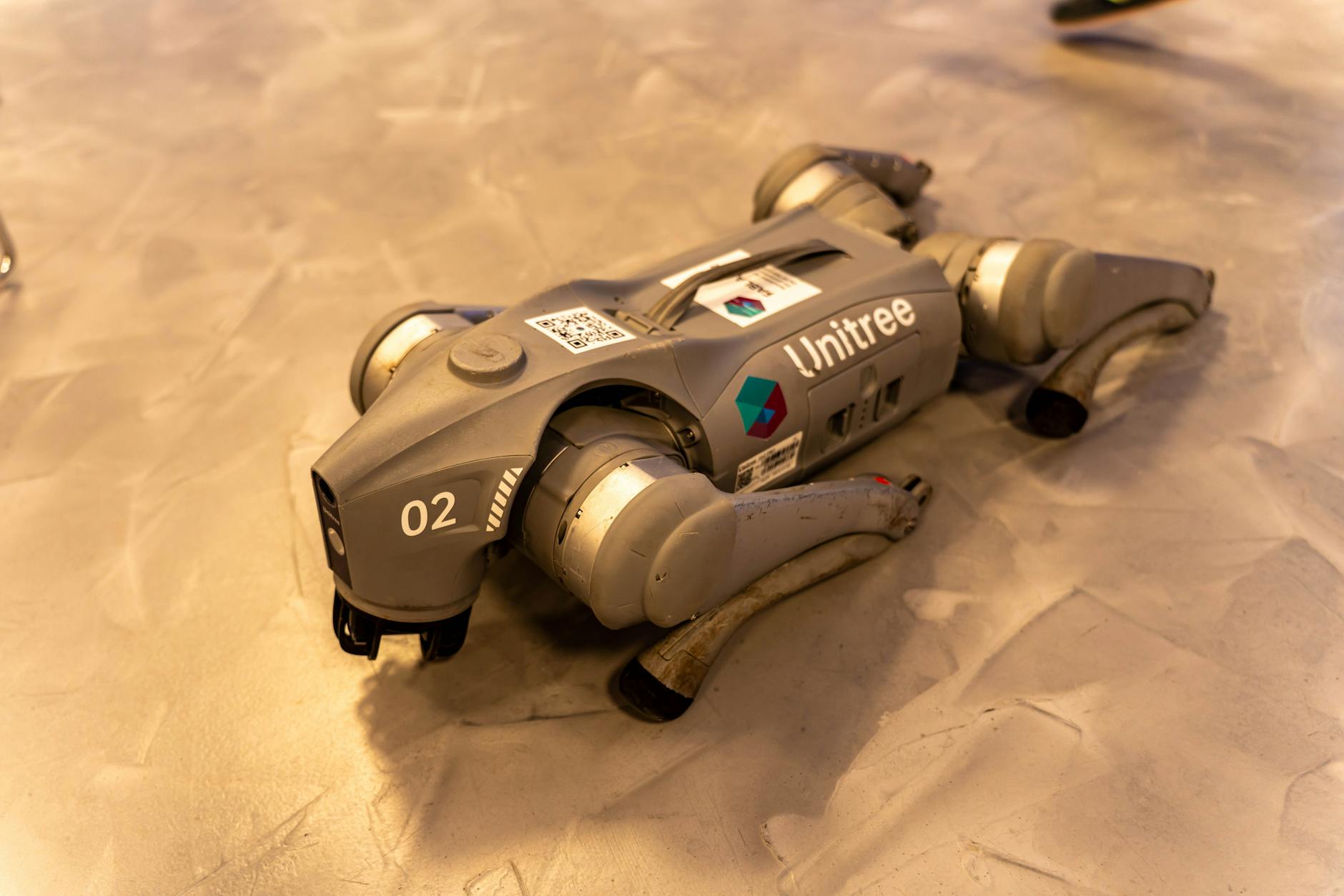

When we talk about “the Google of robotics systems,” we’re really asking whether there’s a dominant, foundational platform that orchestrates the way robots operate and communicate—the way Google organized the internet. The answer isn’t simple. Unlike web search, where Google became the definitive arbiter, robotics remains fragmented across dozens of platforms, each controlling different pieces of the industry. Yet there are emerging contenders that are working toward that level of integration and standardization.
Companies and open-source projects like ROS (Robot Operating System), Boston Dynamics (now owned by Hyundai), and others are creating the underlying infrastructure that robotics companies rely on, much like how foundational technologies create a backbone for innovation. The robotics industry hasn’t consolidated around a single “Google” figure yet, but that doesn’t mean standardization isn’t happening. What we’re seeing instead is a race to become that essential platform—the system that every robot manufacturer, integrator, and developer must use or interface with. The companies and technologies that succeed in this position will define not just how robots work, but how they communicate, learn from each other’s experiences, and integrate into the broader industrial and consumer landscapes.
Table of Contents
- What Would “The Google of Robotics” Actually Mean?
- The Technical Architecture and Integration Challenges
- Real-World Examples of Platform Dominance Attempts
- The Business Model Problem and Adoption Barriers
- Data Privacy and Security Concerns
- Standardization Without Centralization
- The Future Landscape of Robotics Infrastructure
- Conclusion
What Would “The Google of Robotics” Actually Mean?
In the context of search engines and web services, google achieved dominance through ubiquity, relevance, and the network effects of having the most comprehensive index. A “Google of robotics” would need to accomplish something similar: become the indispensable middleware that every robot and robotics system connects to. This could manifest as a central learning repository, a standardized communication protocol that all robots adopt, or a platform that aggregates data from thousands of robotic operations to improve AI models used across the industry.
The closest current parallel is ROS, which has become the de facto operating system for research and many commercial robots. ROS provides libraries, tools, and conventions that allow robotics engineers to build on each other’s work rather than starting from scratch. But ROS is maintained by a non-profit foundation with limited enforcement power, and it faces competition from proprietary systems developed by major robotics companies. Real dominance would require not just technical superiority, but the kind of economic gravity that makes adoption irresistible—the way cloud providers like AWS became essential infrastructure for modern software development.
The Technical Architecture and Integration Challenges
Building the infrastructure for a truly dominant robotics platform requires solving problems that the web didn’t face until it was already massive. A robotics-focused system needs to handle real-time data streams from sensors, manage the physical safety implications of distributed decision-making, standardize hardware interfaces across manufacturers with competing interests, and create security protocols that protect both data and physical safety. Google could index the web without being responsible if a malicious link caused harm; a robotics platform would face liability if its infrastructure recommendations led to accidents or injuries. The limitation here is significant: no company or foundation has yet built a system that satisfactorily addresses all these requirements in a way that every manufacturer wants to adopt.
Proprietary systems lock in users through customized hardware and software, creating moats that prevent the emergence of a truly universal standard. When Tesla designs a robot, it builds its own control systems. When Boston Dynamics creates an atlas robot, it uses proprietary software. When small startups build collaborative robots (cobots), many choose their own stacks to maintain differentiation and competitive advantage.
Real-World Examples of Platform Dominance Attempts
ROS 2, released in 2017, represents the most serious attempt so far to create something approaching a universal robotics operating system. Companies like Clearpath Robotics have built entire product lines on top of ROS 2, and it’s become the standard in academic robotics research. Universities are teaching it, and industrial integrators are using it to combine off-the-shelf robotic hardware with custom software. This is a form of dominance, though not in the “every robot uses this” sense—more in the “the professional tools for building robots run on this” sense.
On another level, companies like Amazon and Google are building centralized robotic fleet management systems for their own operations. Amazon’s Kiva acquisition created a fleet of over 500,000 autonomous mobile robots in its warehouses, all coordinated through centralized software. This isn’t “the Google of robotics” in a public-facing way, but within Amazon’s ecosystem, this system is absolutely dominant and indispensable. The data flowing through these systems gives Amazon a significant advantage in understanding what works in robotics at scale.

The Business Model Problem and Adoption Barriers
One reason a true “Google of robotics” hasn’t emerged is that the business incentives don’t align the way they did with web search. Google could offer search for free and monetize through advertising because its service created a platform where ad-supported business could thrive. A dominant robotics platform would need a different value proposition: perhaps licensing fees, data insights, or premium services. But companies investing heavily in robotics are reluctant to bet their operations on a centralized platform controlled by a single entity. The comparison with automotive platforms is instructive.
Despite decades of consolidation, cars are still built using multiple incompatible underlying systems. A Tesla operates completely differently from a traditional OEM’s vehicle because the stakes are so high and the competitive advantages from proprietary systems are so valuable. Robotics is heading in the same direction, and it may stay that way indefinitely. The tradeoff is between standardization (which reduces costs) and differentiation (which protects market position). Most robotics companies are choosing differentiation.
Data Privacy and Security Concerns
If a centralized robotics platform did emerge, it would accumulate extraordinary amounts of sensitive data—not just operational data from robots, but visual information, location data, and behavioral patterns from warehouses, factories, hospitals, and homes where these systems operate. The security and privacy implications are sobering. A breach of such a system wouldn’t just expose data; it could enable malicious control of physical systems. This is a real limitation preventing consolidation.
No manufacturer wants its robot fleet’s operational data flowing through a third-party’s servers, and regulators are increasingly skeptical of centralized data architectures. GDPR, and similar privacy regulations in other jurisdictions, make it legally problematic for a company to operate a truly global robotics data platform. Each country wants different guarantees about how robot data is handled, where it’s stored, and who can access it. These regulatory barriers may prove more effective at preventing centralization than any technical limitation.

Standardization Without Centralization
What we’re actually seeing emerge is standards-based cooperation rather than platform dominance. The ROS 2 middleware, open protocols for communication between robotic systems, and industry standards organizations working on interoperability—these are creating a form of order without requiring a single dominant player. It’s less clean than Google’s approach to search, but it may be more appropriate for an industry where safety, security, and regulation matter so much.
Companies can build on these standards while maintaining their own proprietary advantages. A manufacturer can use ROS 2 for basic operations but add proprietary AI layers and decision-making systems on top. This hybrid approach preserves competition while still enabling integration and knowledge-sharing across the industry.
The Future Landscape of Robotics Infrastructure
As robotics becomes more prevalent in manufacturing, logistics, healthcare, and eventually consumer applications, the pressure for better standardization will increase. The companies that can create valuable services on top of these standards—better simulation tools, more advanced learning algorithms, superior safety validation—will gain influence without needing to control the underlying platform. This might be the actual future: not a Google-like platform dominance, but a world where interoperability improves to the point where users can mix and match components freely.
Emerging technologies like digital twins (virtual replicas of robots and their environments) could become a form of platform power. A company that controls the most sophisticated simulation and testing environment for robots could influence how the industry develops, without directly controlling every robot. This would be a different kind of dominance—architectural rather than monopolistic.
Conclusion
There probably won’t be a single “Google of robotics systems” in the way the search engine achieved dominance. The barriers to centralization—safety concerns, regulatory fragmentation, the value of proprietary differentiation, and legitimate data privacy concerns—are too high. Instead, we’re likely to see a more distributed ecosystem where standards and open-source tools (like ROS 2) create interoperability while companies compete on proprietary innovations layered on top.
The key tension isn’t whether one company will dominate robotics, but whether industry-wide standards can improve fast enough to prevent excessive fragmentation as robotics proliferates. If you’re involved in robotics—whether as a developer, manufacturer, or integrator—the lesson is to invest in understanding emerging standards and platforms like ROS 2, but don’t expect them to solve all your problems. The future of robotics infrastructure will likely remain decentralized, which means both more freedom to innovate and more responsibility for ensuring compatibility with the broader ecosystem.