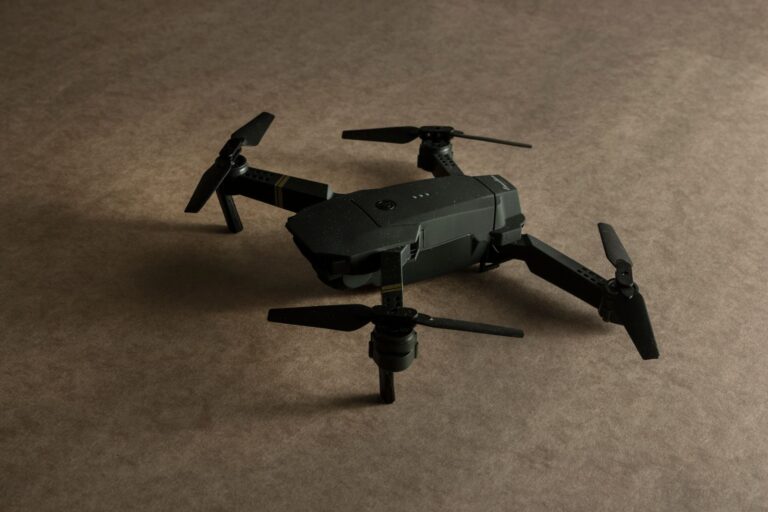

The Ruko U11Mini 4K is not the best budget drone option in 2026, though it competes directly with DJI’s offerings in price and sub-250-gram regulatory weight. Both sit at nearly identical takeoff weights—Ruko at 249 grams, DJI Mini 4K at 246 grams—placing them in the FAA-exempted category that requires no remote-pilot license. However, price alone doesn’t determine value. The DJI Mini 4K now sells for $209, a significant reduction from its original $299, while the Ruko U11Mini 4K base model starts at $231.99 without a controller and climbs to $510 for the touchscreen RC3 variant.
Choosing between them requires looking beyond cost to flight characteristics, image quality, and reliability. The Ruko U11Mini 4K has emerged as a legitimate entry-level option for photographers testing aerial content without the financial or regulatory burden of larger drones. Its 48MP sensor and 8K photo capability sound impressive on spec sheets. Yet real-world testing reveals a different story. According to TechRadar’s 2026 review, the aircraft proves “easily pushed around by wind,” and owners have documented “alarming voltage drops that triggered emergency landings.” The recommendation from professional reviewers remains consistent: it’s acceptable as a first drone, but it shouldn’t be chosen over DJI’s equivalent.
Table of Contents
- How Do Ruko and DJI Budget Models Compare in Specifications?
- Transmission Range and Control Precision—Where Real Performance Gaps Emerge
- Wind Stability and Reliability Issues That Affect Real-World Use
- Camera Quality and Image Processing—Where the Ruko’s Megapixels Don’t Guarantee Better Results
- Pricing and Bundle Options—Evaluating the True Cost of Entry
- Regulatory Weight Categories and FAA Exemptions
- Professional Reviewer Consensus and Purchase Recommendation for Budget Buyers
- Frequently Asked Questions
How Do Ruko and DJI Budget Models Compare in Specifications?
The specification sheets tell an interesting story of different design priorities. The Ruko U11Mini 4K boasts a 48MP 1/2-inch CMOS sensor with 8K photo capture and a 3-axis brushless gimbal with electronic image stabilization, shooting 4K video at 30fps. The DJI Mini 4K pairs a smaller 12MP 1/2.3-inch CMOS sensor with the same 4K@30fps video capability and advanced image processing drawn from DJI’s years refining algorithms. In raw megapixel count, Ruko wins decisively.
In practical output, DJI typically delivers crisper, more balanced images. Flight duration differences are modest but meaningful for battery-conscious pilots. The Ruko achieves 32 minutes of flight time with its standard battery, extending to 64 minutes if you purchase the RC3 controller variant bundled with multiple batteries and the 5.5-inch touchscreen remote. The DJI Mini 4K delivers 31 minutes with a single battery, with longer endurance available through its Fly More Combo ($309, down from $449) that includes additional batteries. For casual hobbyists flying once or twice weekly, this difference matters less than the number of batteries you own.
Transmission Range and Control Precision—Where Real Performance Gaps Emerge
The Ruko U11Mini 4K advertises a 20,000-foot transmission range for its FPV signal, compared to the DJI Mini 4K’s 10-kilometer range using DJI’s OcuSync Air2S system. Converting to comparable units: DJI’s 10 kilometers equals approximately 32,800 feet. On paper, DJI’s connection is stronger and reaches farther. In practice, flying beyond line of sight is illegal under current FAA Part 107 regulations, making these maximum ranges mostly theoretical.
The meaningful difference lies in signal stability during typical line-of-sight operations around 1,000 to 2,000 feet. TechRadar’s testing highlighted a critical control weakness in the Ruko’s RC3 touchscreen controller: the joysticks “lack the precision of DJI’s equivalents.” This matters when framing shots or executing smooth pans. A loose joystick causes drift in video footage, making professional-quality aerial cinematography difficult. DJI’s remote controllers have been refined through millions of deployments, and this experience shows in tactile feedback and response accuracy. For casual photography, this difference is acceptable; for video work, it’s problematic.
Wind Stability and Reliability Issues That Affect Real-World Use
The DJI Mini 4K is rated for Level 5 wind resistance, withstanding gusts up to 10.7 meters per second (roughly 24 miles per hour or 38 kilometers per hour). Its maximum takeoff altitude reaches 4,000 meters. The Ruko U11Mini 4K lacks equivalent wind-resistance ratings in published specifications. Reviews indicate it struggles in moderate wind that the DJI easily handles. A photographer flying near coastal areas, in mountain valleys where wind funnels, or during autumn and spring when gusts are common will notice the Ruko’s instability.
More troubling are the voltage irregularities some users have reported. According to TechRadar, several Ruko U11Mini 4K owners experienced sudden voltage drops sufficient to trigger automatic emergency landings mid-flight. These incidents occur without warning and can result in lost footage, crashed drones, or property damage below. While no product is immune to defects, the frequency of these reports suggests a potential quality-control issue specific to early production runs. This is precisely the kind of reliability problem that transforms a cheap option into an expensive mistake when your drone falls from the sky and damages a vehicle or roof.
Camera Quality and Image Processing—Where the Ruko’s Megapixels Don’t Guarantee Better Results
The Ruko’s 48MP sensor and 8K photo mode appear superior until you examine actual images. Digital Camera World’s review noted that “4K video in good light is detailed and watchable, if a little flat and lacking in dynamic range,” while the camera “routinely blows out highlights in stills.” This is a classic case of raw sensor specifications missing the bigger picture of computational photography. DJI’s 12MP sensor produces more balanced exposures because DJI’s image-processing pipeline accounts for highlights, shadows, and color accuracy in ways the Ruko’s firmware doesn’t yet match. For photographers shooting in overcast conditions or golden-hour light, this limitation becomes acute.
A sunset shot on the Ruko will often show a washed-out sky where details vanish into white. The same scene on a DJI Mini 4K would retain color gradation and texture. DJI’s algorithms have benefited from computational-photography advances that Ruko has not yet implemented. If image quality ranks high in your priorities, the Ruko’s larger sensor doesn’t compensate for inferior processing. A 48MP blur is still a blur; a sharp 12MP image is usable.
Pricing and Bundle Options—Evaluating the True Cost of Entry
The base Ruko U11Mini 4K at $231.99 appears budget-friendly until you realize it ships without a remote control. You’re forced to upgrade to at least the standard bundle or purchase a compatible controller separately, pushing the practical entry price to $330 or higher. Major retailers list variants at $339.98 (Walmart), $363.98 (Amazon), and $399.99 (Best Buy). The premium RC3 touchscreen variant costs up to $510, approaching prosumer-level pricing.
The DJI Mini 4K has undergone significant price reductions. The bare aircraft sells for $209 (down from $299), while the Combo including battery and controller runs $269 (reduced from $389). The Fly More Combo with multiple batteries and charging hub is $309 (down from $449). DJI’s pricing strategy effectively undercuts the Ruko when you factor in controller costs. A buyer serious about drones should purchase a complete combo anyway; the DJI Combo at $269 delivers a fully functional system cheaper than even some Ruko base-model bundles.
Regulatory Weight Categories and FAA Exemptions
Both drones fall below the 250-gram threshold that triggers Part 107 licensing requirements in the United States. This is a genuine advantage over heavier DJI or Auterion models.
A photographer or hobbyist can legally operate either drone without obtaining a remote-pilot certificate, passing a knowledge test, or dealing with federal registration complexity. If regulatory simplicity is your priority, both Ruko and DJI Mini 4K meet that need equally well. The sub-250-gram category has become the de facto entry-level segment, and both manufacturers have optimized their designs around this constraint.
Professional Reviewer Consensus and Purchase Recommendation for Budget Buyers
TechRadar’s overall assessment captures the prevailing professional opinion: “Nobody should pick the U11Mini 4K over DJI’s equivalent.” The review simultaneously acknowledges it’s “a legitimately good first drone for photographers testing aerial content without the regulatory headaches or financial commitment of higher-end options.” This distinction matters. The Ruko U11Mini 4K isn’t defective for its price category; it’s simply outmatched by a competitor that costs less or equivalent and performs better.
If your budget is fixed at $300 to $400 and you’re willing to accept a used DJI Mini 4K or wait for sales, DJI remains the stronger choice. If you need new equipment immediately and have already committed to purchasing from Ruko, the U11Mini 4K can work, but expectations should be carefully calibrated to its limitations in wind handling, joystick precision, and image quality.
Frequently Asked Questions
Do I need a remote-pilot license to fly either drone?
No. Both the Ruko U11Mini 4K and DJI Mini 4K weigh under 250 grams, exempting them from FAA Part 107 licensing requirements in the United States.
Which drone has better battery life?
The Ruko U11Mini 4K claims 32 minutes with standard battery and up to 64 minutes with the RC3 variant and multiple batteries. The DJI Mini 4K achieves 31 minutes with a single battery. In practice, differences are negligible; total flight time depends on how many spare batteries you purchase.
Is the Ruko’s 48MP sensor better than DJI’s 12MP sensor?
More megapixels don’t guarantee better photos. DJI’s advanced image processing produces better-balanced exposures and colors. The Ruko often overexposes highlights and produces flatter color in real-world conditions.
What’s the biggest reliability concern with the Ruko U11Mini 4K?
Users have reported unexplained voltage drops causing automatic emergency landings. The Ruko also struggles in moderate wind that the DJI Mini 4K handles easily.
Are there significant price differences between the two drones?
The DJI Mini 4K base model starts at $209, while the Ruko U11Mini 4K base model is $231.99 (without controller). Complete ready-to-fly bundles favor DJI: the DJI Combo is $269 versus Ruko bundles starting around $330.
Which drone is better for someone buying their first aerial camera?
The Ruko U11Mini 4K is acceptable for a beginner willing to accept limitations. However, professional reviewers recommend the DJI Mini 4K as the superior first-drone choice due to better reliability, control precision, and image quality.