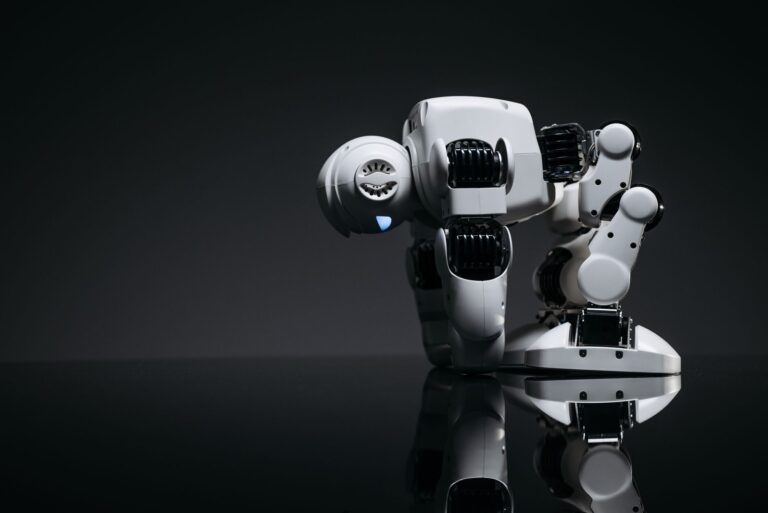

Children’s robotics camps do build coding and engineering competency by combining hands-on construction with real programming challenges in a structured environment. Unlike passive coding tutorials, robotics camps require students to design solutions, test them, fail, iterate, and debug—the core practices that define actual engineering work. A child building an autonomous line-following robot doesn’t just learn syntax; they learn to think algorithmically while troubleshooting mechanical problems, sensor calibration, and logic errors simultaneously.
The competency gains are measurable not because camps hand out certificates, but because students encounter genuine constraints. They work within power budgets, sensor limitations, and time deadlines. When a robot doesn’t behave as expected, the student must trace the logic, review the code, check the hardware, and formulate a hypothesis—exactly the diagnostic reasoning employers expect from engineering hires. This combination of coding, hardware interaction, and problem-solving under realistic conditions creates a foundation that classroom coding alone cannot replicate.
Table of Contents
- How Do Robotics Camps Teach Coding and Engineering at the Same Time?
- Why Robotics Camps Are More Effective Than Online Coding Tutorials
- Career Relevance: Which Engineering Fields Actually Use These Skills?
- Choosing the Right Robotics Camp for Your Child’s Learning Level
- Common Misconceptions and Real Limitations of Robotics Camps
- Hands-On Project Work and Learning Retention
- Building Lasting Engagement Beyond Summer Camp
How Do Robotics Camps Teach Coding and Engineering at the Same Time?
robotics camps merge these disciplines because robots demand both. A student writes a Python or block-based program to control a physical device, but the code doesn’t run in isolation—it controls servos, reads sensor inputs, and produces visible motion. When the robot veers off course, the student must ask: Is the code wrong, or is the wheel alignment off? Is the sensor reading accurate? This interdependence forces integrative thinking. Students cannot blame bugs on “just software” or dismiss mechanical problems as “not my job.” The teaching method typically progresses from structured tasks to open-ended design.
Early sessions might have students follow explicit instructions to build a grabber arm and program it to lift objects. Later, students design their own robots for specific challenges—like navigating a maze or stacking blocks—with less guidance. This scaffolding mirrors how real engineers learn: master fundamentals, then apply them to novel problems. Some camps use LEGO Mindstorms, VEX Robotics kits, or Arduino-based platforms, each with trade-offs. LEGO offers accessibility and visual appeal; VEX emphasizes precision and durability; Arduino provides deeper control but steeper learning curves.
Why Robotics Camps Are More Effective Than Online Coding Tutorials
Online coding tutorials teach syntax and logic, but they abstract away the consequences of errors. A student debugging a Python script might fix a typo without understanding the physics of why the output mattered. A robotics camp student debugging a failed robot movement faces immediate, tactile feedback. The robot either does what was intended, or it doesn’t—no guessing. This concrete feedback accelerates learning because failure becomes a teacher, not an abstraction. Robotics camps also build collaboration skills that individual screen-based learning cannot. Teams of three to four students must divide tasks, communicate constraints, and merge their work.
One member might code the movement logic while another calibrates sensors and a third designs the chassis. This mirrors real engineering teams. However, camps vary widely in quality. A poorly run camp with one instructor, limited equipment, and thirty students will struggle to provide meaningful individual guidance. Student-to-instructor ratios matter; groups of more than six students per instructor typically result in passive observation rather than active problem-solving. Additionally, camps compress learning into one or two weeks, which is sufficient for foundational competency but not mastery. Extended programs over several months produce deeper skill development.
Career Relevance: Which Engineering Fields Actually Use These Skills?
Robotics camps prepare students directly for careers in industrial automation, robotics engineering, embedded systems, and software development. A student who has written control code for a physical system understands the fundamentals that industrial robots, drones, and autonomous systems require. They recognize that software must account for real-world timing delays, sensor noise, and mechanical friction—not assumptions learned from pure software roles. Specific career pathways include mechanical engineering (students learn constraints of physical systems), electrical engineering (sensor integration and power management), firmware development (writing code that interacts with hardware), and robotics research or manufacturing roles.
However, not every robotics camp experience translates directly. A camp focused on block-based programming with pre-built LEGO models teaches logic and sequencing but may not prepare a student for the mathematics and physics required in higher-level robotics roles. A camp using Arduino and custom-built systems demands more abstract thinking and provides deeper preparation for advanced careers. Students should seek programs that align with their actual interest level—a beginner pursuing STEM awareness benefits from accessible kits, while a high school student considering engineering as a career benefits from platforms requiring more technical depth.
Choosing the Right Robotics Camp for Your Child’s Learning Level
Selecting a camp requires honest assessment of the student’s prior experience and goals. A child with no coding background should start with visual or block-based programming—Scratch, MIT App Inventor, or graphical block languages—paired with simpler robotics kits. This approach keeps cognitive load manageable and builds confidence. A student already comfortable with basic coding might benefit from camps using text-based languages like Python or C++ with more advanced platforms. The tradeoff is steeper initial difficulty but faster skill progression.
Camp structure matters as much as content. Full-day, multi-week programs allow deeper project work and iteration, while one-week or half-day camps cover fundamentals but leave limited time for meaningful exploration. Online robotics camps exist but typically lack the hands-on hardware experience and peer collaboration that make robotics camps effective. Some families find that hybrid approaches—a one-week intensive camp followed by after-school robotics clubs—maintain engagement and reinforce skills over months. Cost varies widely, from subsidized community programs (often $100–300) to expensive private camps ($1000+), so budget constraints may limit options. However, less expensive does not always mean lower quality; community colleges and nonprofit organizations sometimes offer excellent programs at modest cost.
Common Misconceptions and Real Limitations of Robotics Camps
A frequent assumption is that robotics camp experience directly guarantees engineering readiness or career placement. It does not. A summer camp builds foundational competency and may spark lasting interest, but engineering careers require deeper mathematics, physics, and sustained practice over years. A student who completes one robotics camp but doesn’t continue independent projects or pursue advanced STEM coursework will lose proficiency. Competency requires reinforcement. Another misconception is that robotics camps teach “real” robotics equivalent to industrial systems.
Most camps use educational kits designed for learning, not production environments. The gap between a VEX platform and the programmable logic controllers (PLCs) used in manufacturing is substantial. However, this gap is intentional; educational kits prioritize clarity and experimentation, while industrial systems prioritize reliability and efficiency. A camp cannot and should not simulate industrial complexity; students need to master fundamentals first. Finally, some families expect camps to teach all STEM fields simultaneously. A robotics camp teaches coding, engineering design, and problem-solving, but does not replace deep coursework in mathematics or physics. It complements, not replaces, classroom science.
Hands-On Project Work and Learning Retention
The most effective robotics camps organize learning around concrete projects with measurable outcomes. Students might build a robot to sort objects by color, navigate a physical maze, or compete against other teams. These projects provide motivation, tangible feedback, and a sense of accomplishment. A student who has solved a real problem—”Why does the sensor misfire on dark objects?”—remembers the solution and the underlying logic far longer than one who memorized code syntax.
Project-based learning also creates portfolio artifacts. A student can show a video of their robot in action, point to their code, and explain their design decisions. This evidence of competency matters more to future teachers, employers, or admissions officers than a certificate. Some advanced camps assign students to build solutions for local community problems—designing a device to help in a community garden, for example—which deepens purpose and real-world relevance.
Building Lasting Engagement Beyond Summer Camp
Robotics camps work best as entry points into sustained STEM engagement, not standalone experiences. Schools with robotics clubs, university maker spaces, and online communities provide continuity after summer ends. A student passionate about robotics will pursue related hobbies, competitions like FIRST Robotics or VEX competitions, or elective high school courses in computer science or engineering.
These extended experiences compound the skills learned in camps. Some students use camp knowledge to build independent projects—modifying kits, trying new platforms, or mentoring younger students. These self-directed activities solidify competency more than passive camp attendance. Camps that encourage or facilitate this transition—by sharing resources, suggesting next steps, or maintaining alumni networks—support longer-term skill development and career interest.