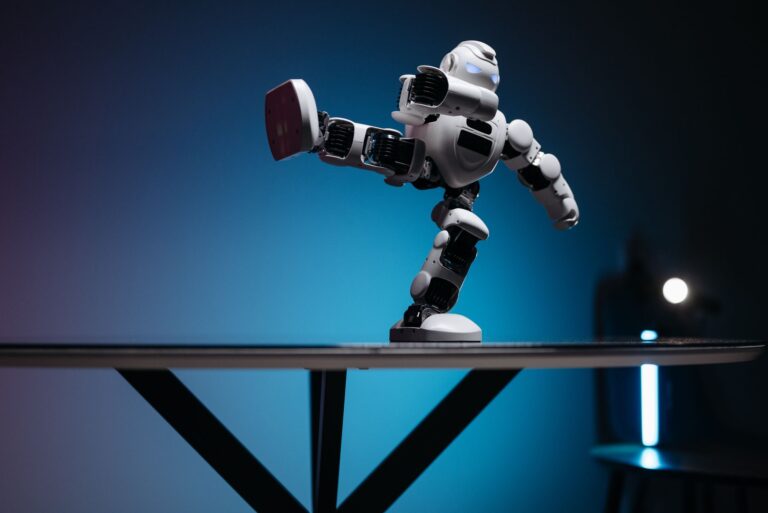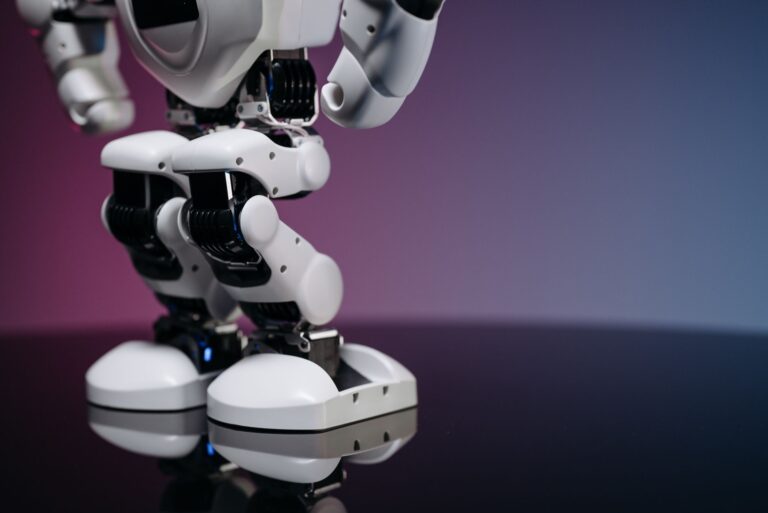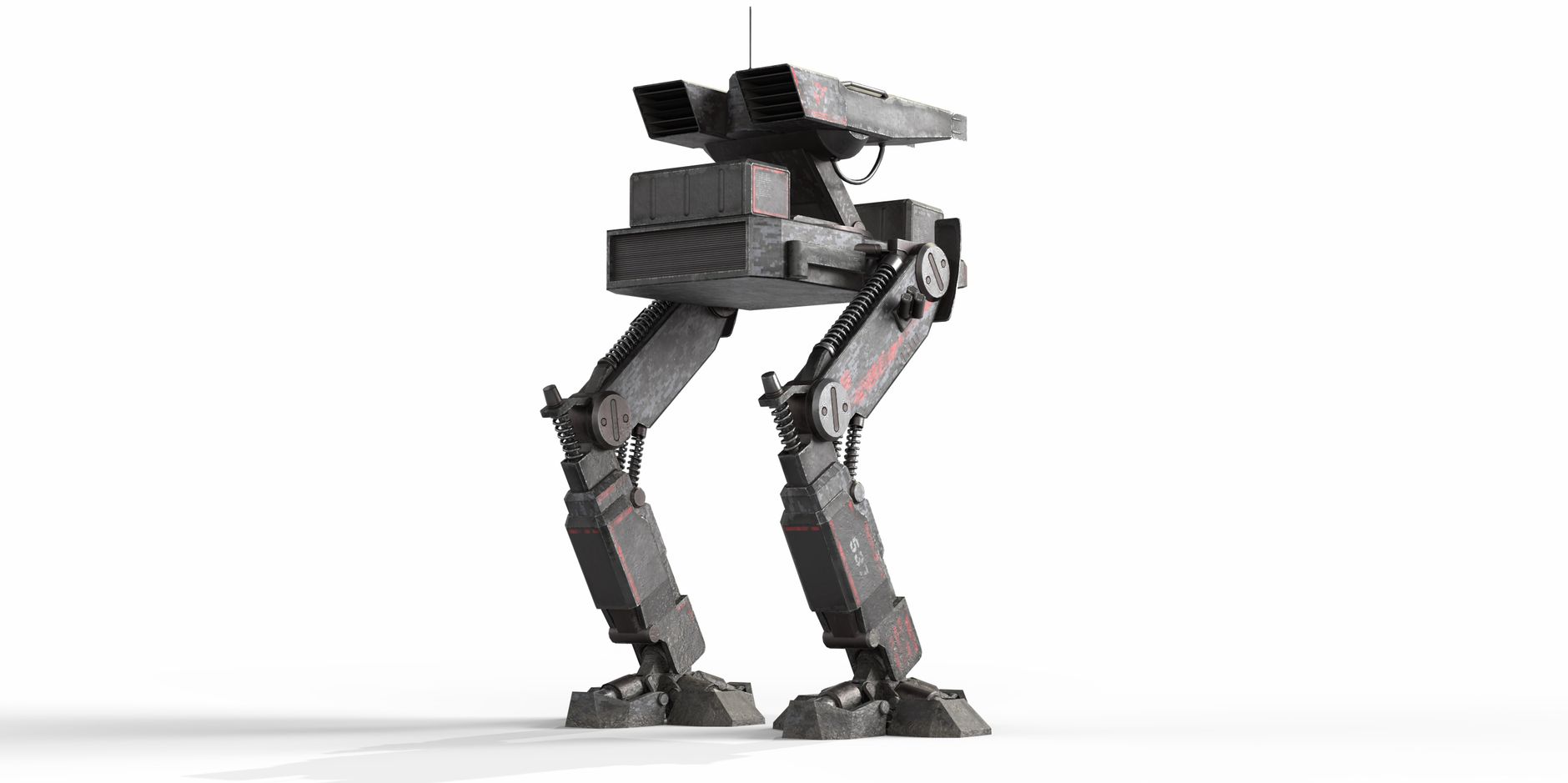

The August 2026 legged-robot update is a shift from impressive demonstrations toward data collection, factory training, production, and contracted deployments. The next test is whether these programs deliver reliable work at scale without frequent operator intervention. Legged robots use two or more articulated legs to move through spaces designed for people. August's announcements matter because they address two persistent barriers: learning enough varied tasks and validating them safely before factory rollout.
Table of Contents
- What changed in August?
- Are commercial deployments finally replacing pilots?
- Why production capacity now matters
- Mobility remains a practical constraint
- What should buyers and operators watch next?
What changed in August?
Figure publicly introduced Index, a program that collects human task videos for robot training. Figure reported more than 16 million videos from over 44,000 weekly active users across 108 countries, with uploads arriving at 30 minutes per second through the Index program. That scale makes data acquisition part of the competitive contest.
A manufacturer needs examples of how people grasp, carry, sort, and manipulate objects—not only a capable robot body. Hexagon robotics took a more factory-specific route. It placed AEON in Schaeffler's German "Humanoid Gym," where the robot can train and validate tasks before entering production areas. The work supports a planned rollout of at least 1,000 robots, but those units have not all been deployed.
Are commercial deployments finally replacing pilots?
The evidence is stronger than it was at the prototype stage, but deployment status still varies. A manufacturing announcement, a signed service agreement, an active customer deployment, and a planned fleet are not interchangeable milestones. boston Dynamics began manufacturing its product version of Atlas in January. Fleets were scheduled for Hyundai's Robotics Metaplant Application Center and Google DeepMind during 2026, marking a move toward committed industrial use. The company's announcement described scheduled deployments rather than completed installations.
Agility Robotics offers clearer evidence of commercial demand. It reported active Digit deployments with Schaeffler, GXO, Toyota Motor Manufacturing Canada, and Mercado Libre. It also reported more than $300 million in multi-year Digit v5 orders, subject to contractual milestones. Toyota Motor Manufacturing Canada separately signed a robots-as-a-service agreement after a successful Digit pilot. The planned work covers manufacturing, supply-chain, and logistics tasks intended to reduce strain from repetitive physical activity.
Why production capacity now matters
Figure reported manufacturing more than 350 Figure 03 humanoids and increasing output from one robot per day to one per hour in under 120 days. That change matters even before mass customer deployment. Larger fleets produce more operating data and expose failures that small demonstrations may miss.
They also let companies test differences among sites, objects, workflows, and human coworkers. Production volume alone does not prove useful output. Buyers still need evidence that robots can complete full shifts, recover from errors, meet cycle-time requirements, and operate safely around people.
Mobility remains a practical constraint
Legs promise access to stairs, ramps, uneven floors, and work areas built for humans. Yet navigating those spaces reliably is harder than walking across a controlled demonstration floor. Figure reported a perception-conditioned controller that transferred stair-climbing behavior from simulation to a real robot without task-specific real-world retraining.
It also acknowledged that earlier handling of stairs, ramps, and uneven terrain required hand-tuned mode changes and operator intervention. That caveat defines the real mobility benchmark. A robot must recognize changing terrain, choose the correct behavior, and recover when conditions differ from training. Occasional stair traversal is less valuable than repeatable, unattended movement during normal operations.
What should buyers and operators watch next?
Organizations evaluating legged robots should separate scale claims from operational proof. The most useful questions concern completed work, human support, and deployment economics. Schaeffler's target of at least 1,000 AEON robots is therefore a milestone to monitor, not a completed fleet to count.
- Ask how many robots are active at customer sites, not merely ordered, manufactured, or planned.
- Measure intervention frequency, recovery time, cycle time, and completed shifts.
- Check whether task training transfers between sites or must be rebuilt for each facility.
- Identify which stairs, ramps, loads, and floor conditions remain outside the supported operating range.
- Confirm whether service contracts depend on performance, delivery, or acceptance milestones.