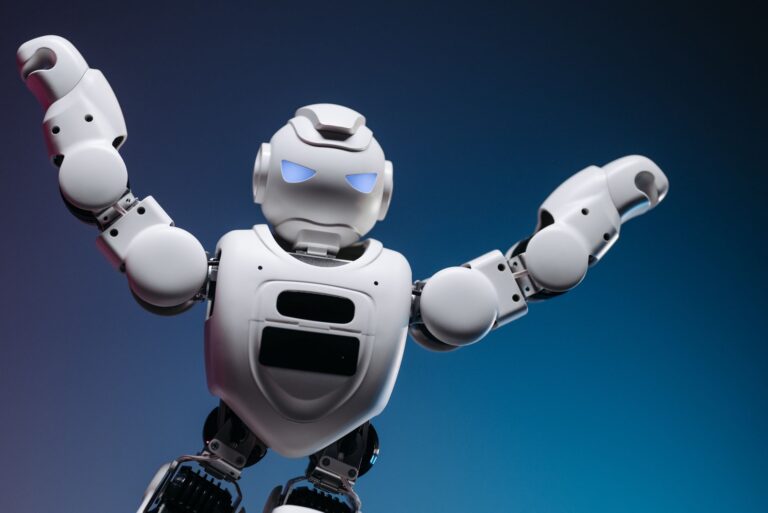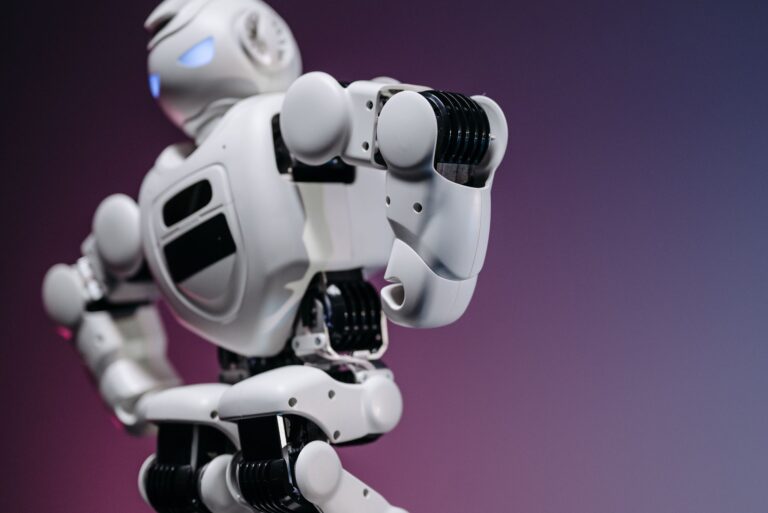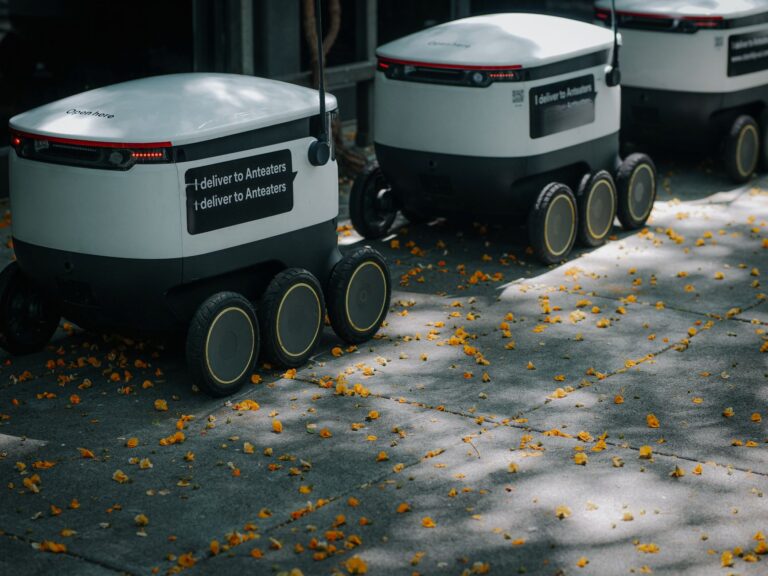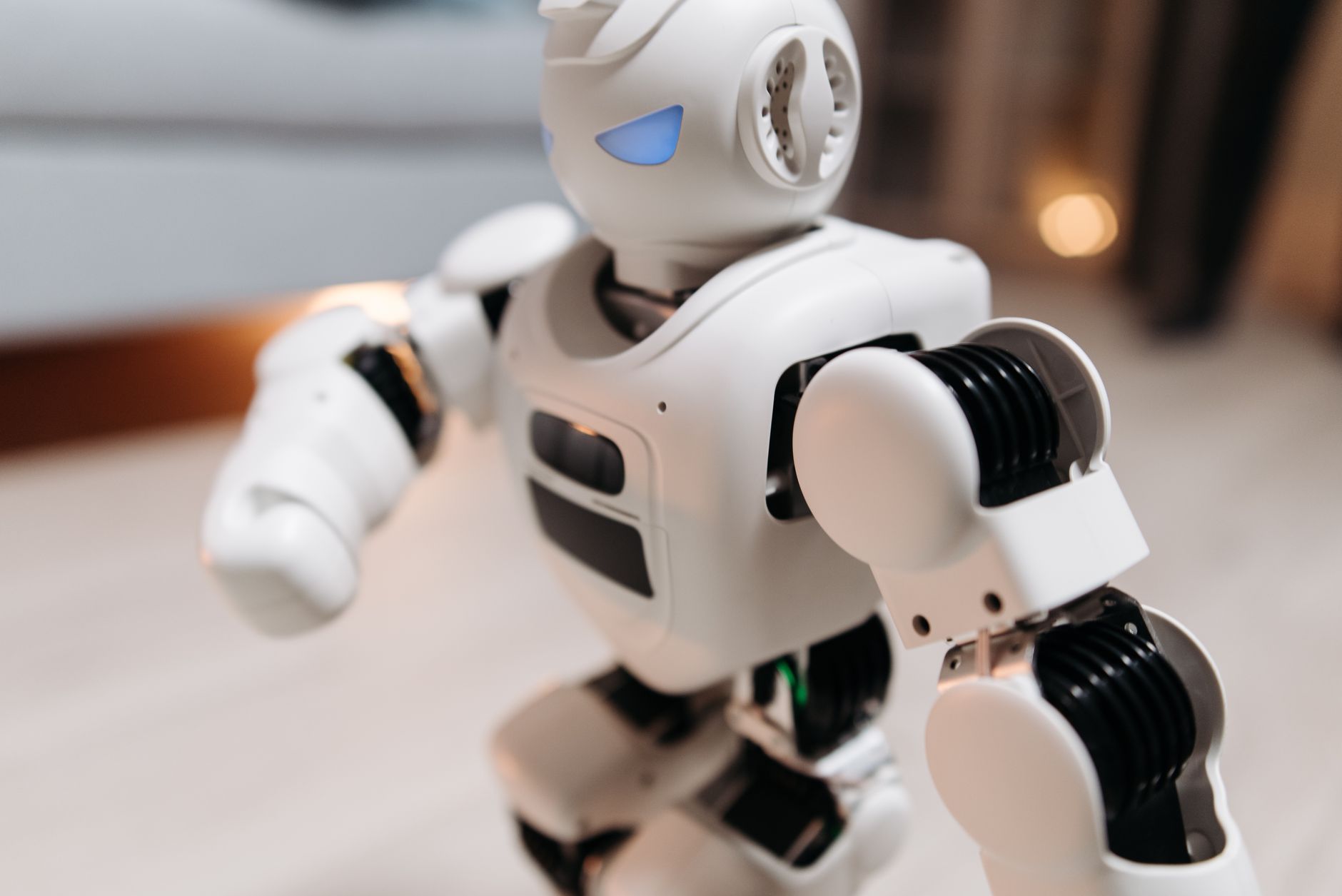

October 2026 set a funding record for robotics while vendors shipped humanoids, on-robot AI and a prize-winning memory system. Physical AI, meaning software that lets machines sense and act, drew nearly $48 billion by October 8, about 1.7 times all of 2025.
WiTEX News reported the total, citing PitchBook via Financial Times, in its October funding roundup. The month favored foundation models, training systems and field deployment over lab demos. Readers can use this shift to time pilots and supplier checks.
Table of Contents
- Where did October capital go?
- Which releases affect users now?
- What research advances long-term autonomy?
- How should teams act on October signals?
Where did October capital go?
Reliable Robotics added $115M on October 20 and lifted its Series D from $160M to $275M. Venture Capital Access Online, citing the company release, reported a valuation above $1B in the capital announcement. Funds include a $25M Silicon Valley Bank loan for fleet, factory and engineering growth toward FAA-certified autonomy. Astribot closed about RMB 1 billion, near $140M, around October 13 at a RMB 15 billion valuation. Robot Belt reported it as the fourth round in six months to scale cable-driven S1 and T1 humanoids.
Cable drives use thin cables and motors for smooth arm motion at lower weight. Enact Intelligence left stealth October 22 with $30M in pre-seed funds, Tech Insider reported. It builds touch and force sensing from motor feedback plus vision to cut sensor cost. Origin raised $20M for construction robots, Product Growth and Entrackr reported. The round was co-led by Accel and Zacua Ventures, with Unilazer, Schema and Z21 joining.
Which releases affect users now?
NEURA Robotics introduced Neuron AI on October 14 for on-robot control without cloud. NEURA Robotics said in its product post the system blends 3D vision, touch, audio, state, language and memory. Perception-Language-Action means camera and touch inputs feed language reasoning that drives actions. AiMOGA Robotics, a Chery brand, unveiled Mobo in Wuhu on October 21.
GlobeNewswire via FinancialContent reported global pre-orders opened the same day during the Chery summit. Family-companion means a consumer-grade humanoid aimed at home interaction, not factory work. On-robot processing cuts latency and cloud dependence for factories and homes. Buyers gain simpler setup but still must test noise, touch accuracy and safety stops.
What research advances long-term autonomy?
Professor Giseop Kim's team at DGIST won the sole Best Paper Award at IEEE/RSJ IROS 2026. Asia Research News, citing DGIST, reported 1,933 submissions competed for the prize. The winning system, LT-Mem, builds long-term memory from video alone.
It links views over time to 3D spots without LiDAR, a laser scanner for depth. That lowers sensor cost and weight for mobile robots in homes, stores and plants. Limits remain in fast motion, poor light and long loops where drift can grow.
How should teams act on October signals?
Money favors systems that work on site, not demos. Touch sensing, on-robot models and video memory all cut cloud and sensor bills.
Construction firms can trial Origin-type tools on one work cell before wider rollout. Home buyers should wait for Mobo delivery terms, support plans and in-home safety tests.
- Match task to proven sensing: video memory for mapping, touch feedback for handling.
- Ask vendors for on-robot run, latency numbers and failure logs.
- Pilot construction or home tasks with safety stops and human review.
You Might Also Like
- Investments and Funding Robotics October 2026 Update: What Changed, Why It Matters, and What to Watch Next
- How to Verify Programming Robotics Claims in 2026: company releases and research papers, Evidence, and Red Flags
- How to Verify Healthcare Robotics Claims in 2026: company releases and research papers, Evidence, and Red Flags