
Farmers fear agricultural drone restrictions because these regulations directly undermine the technology’s utility for modern farming operations. A farmer monitoring a 500-acre crop field with drones instead of walking rows, or using aerial imagery to detect irrigation problems early, faces regulatory hurdles that limit flight distance, require constant visual line-of-sight, and demand costly commercial certification. These restrictions exist primarily for safety and airspace management, but they create a disconnect between what drones can physically do and what farmers are legally permitted to do with them.
The core tension stems from regulations written before agricultural aviation became mainstream. Drone rules were designed for recreational flying and general commercial operations, not the specific use cases where agricultural drones deliver measurable value—spotting crop disease before it spreads across a field, optimizing water use in drought conditions, or mapping soil variability to reduce fertilizer waste. A farmer cannot simply launch a drone to survey a distant field corner without either walking along to maintain visual contact or obtaining special exemptions that require paperwork and regulatory approval processes designed for experimental flight, not routine farm work.
Table of Contents
- What Agricultural Drone Restrictions Actually Require
- How Regulatory Constraints Impact Farm Efficiency
- Real-World Examples of Regulatory Limitations
- The Regulatory Landscape and Farmer Response
- Technical Challenges and Operational Workarounds
- Economic Barriers and Cost Implications
- The Disconnect Between Technology Capability and Regulatory Permission
- Frequently Asked Questions
What Agricultural Drone Restrictions Actually Require
Agricultural drone operators in the United States face multiple regulatory requirements that compound to create practical barriers. Line-of-sight requirements mandate that pilots maintain continuous, unaided visual contact with their aircraft—meaning on a large farm, operating beyond about 500 feet of distance becomes difficult or illegal without a dedicated visual observer, effectively requiring two people instead of one to accomplish the work. Weight limits on small drones also constrain payload capacity, limiting equipment weight for advanced sensors or spraying systems, which forces farmers to choose between mobility and capability. Beyond visual line-of-sight (BVLOS) operations require special FAA waivers in most U.S.
jurisdictions, and obtaining these waivers involves detailed applications, insurance requirements, and approval periods that can stretch over weeks. Commercial operation licenses add another layer: any farmer using a drone for business purposes must hold a Part 107 commercial certificate, requiring training, testing, and ongoing compliance. These requirements shift the task from a farm operation into a specialized credentialing process that many smaller operations find prohibitively complex. Some countries like Japan and parts of Europe have created agricultural-specific drone categories with streamlined approvals, creating a stark comparison that highlights how prescriptive U.S. regulations are by design.
How Regulatory Constraints Impact Farm Efficiency
Regulations that work well for urban air delivery or surveillance services create inefficiencies when applied to agriculture. A farmer who could check a 200-acre field in minutes with an unrestricted drone instead spends hours walking rows or driving equipment across the land, delaying detection of problems that worsen with time. Early detection of crop diseases like fungal infections or pest infestations can prevent losses of 20 percent or more of a season’s yield, but this detection relies on frequent monitoring—something the regulatory framework discourages by imposing time-consuming operational requirements. The economic impact compounds for smaller farms.
A large agricultural operation might justify hiring a licensed drone pilot or dedicating a staff member to obtain Part 107 certification and manage regulatory compliance. A small family farm producing crops on 50 to 100 acres often cannot economically justify the overhead of licensing, insurance, and waiver applications for a technology that would benefit them operationally. This creates a regulatory-induced advantage for larger operations that can absorb compliance costs, while small farms face a calculus where the bureaucratic burden outweighs the technology’s perceived value. Weather windows for applying agricultural treatments are narrow—sometimes only a few days when conditions are right—and regulatory delays or operational friction can cause farmers to miss critical application windows entirely.
Real-World Examples of Regulatory Limitations
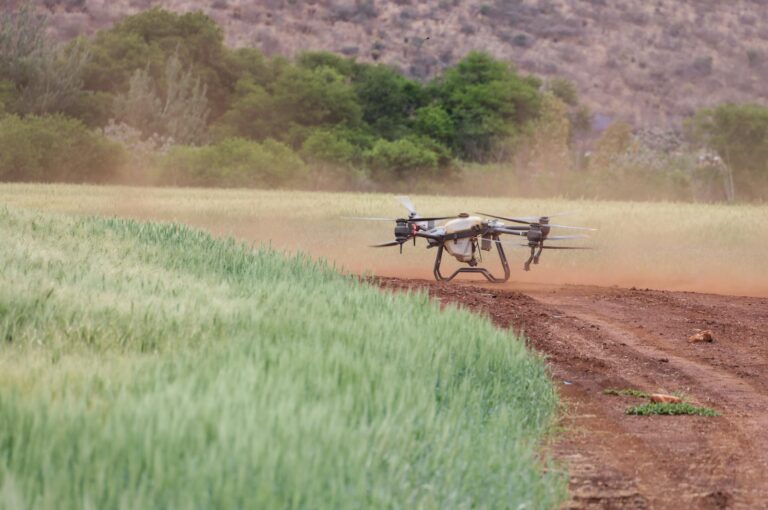
Consider a grain farmer in Iowa who discovers a circular patch of crop stress in the middle of a 300-acre field. Walking or driving to inspect it takes an hour. A drone can deliver a detailed multispectral image revealing whether the issue is water-related, nutrient deficiency, or pest pressure within minutes—but only if the farmer either maintains visual contact while walking half a mile into the field, or applies for a BVLOS waiver that might take weeks to process. By the time authorization arrives, the problem may have spread or the crop stage may have changed, reducing the value of the delayed information.
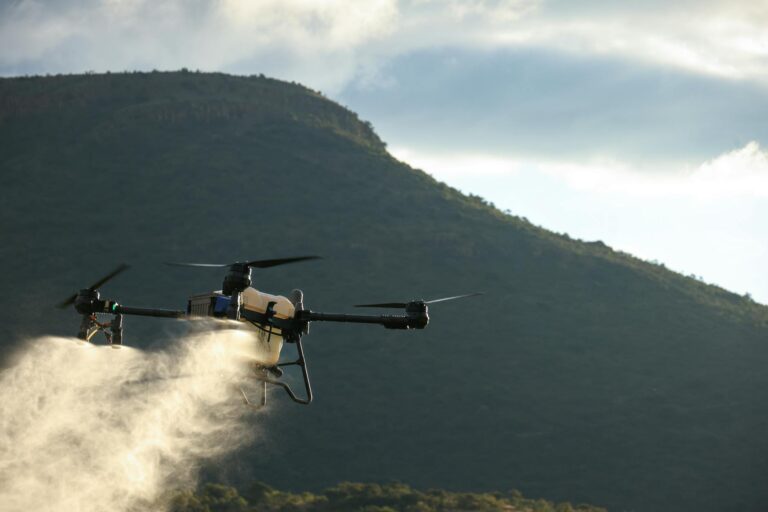
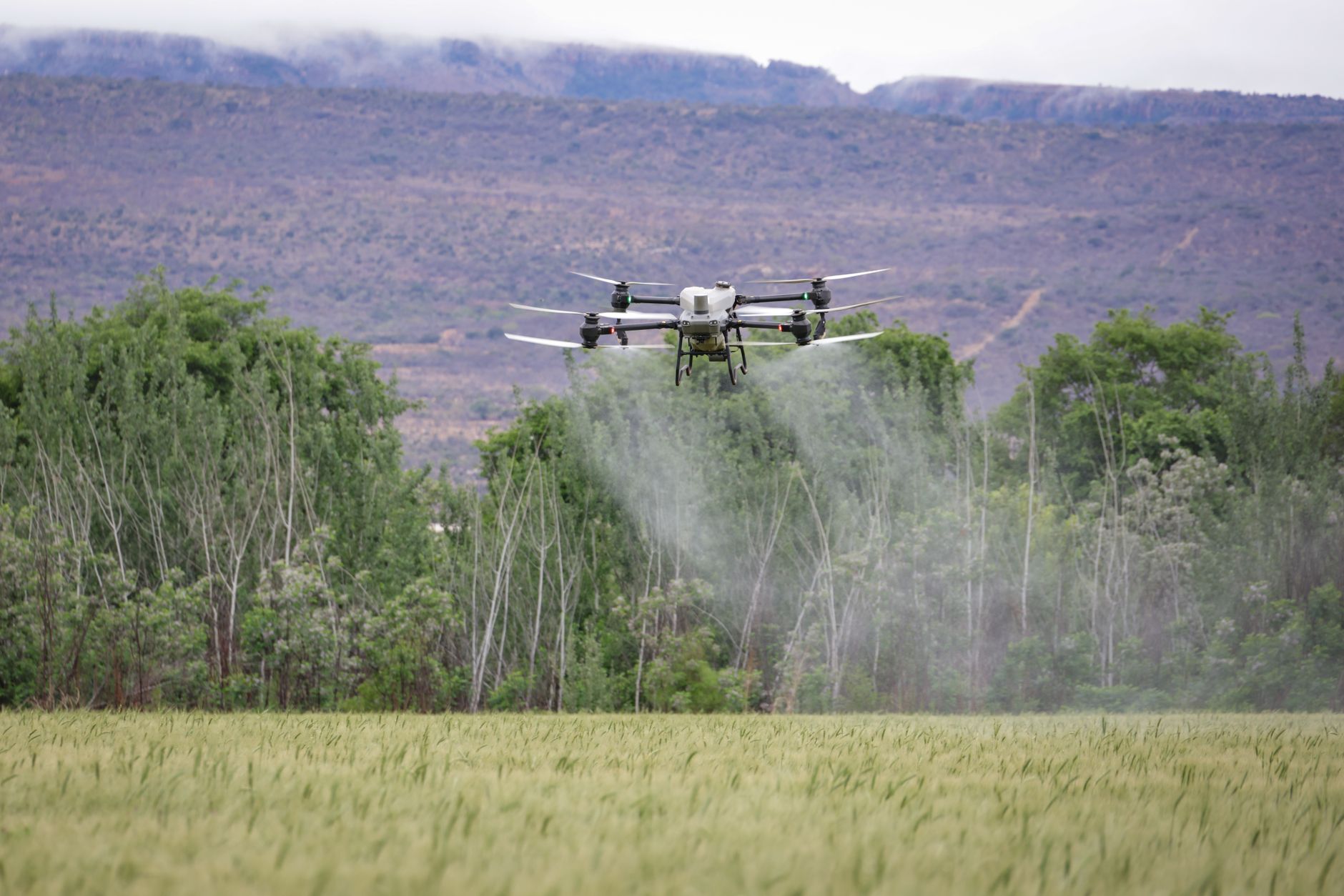
In another case, a vegetable farmer using drones for spray application faces payload restrictions that require multiple flights with smaller tanks instead of one larger pass, burning fuel and time. A single large-capability agricultural sprayer drone might be weight-restricted to smaller chemical loads than the farmer needs to treat the entire field efficiently. Meanwhile, commercial drone manufacturers in other countries have developed models specifically optimized for agricultural spraying with larger payloads and longer flight times, but regulatory differences mean these systems face higher barriers to certification and deployment in U.S. markets. The farmer is left using equipment engineered for the restrictions rather than equipment optimized for the work.
The Regulatory Landscape and Farmer Response
The FAA’s Part 107 rules, implemented in 2016, created the basic framework for commercial drone operations but did not anticipate or create agricultural-specific provisions. Some farmers have responded by pursuing Part 107 certification themselves, but this shifts a farmer’s role partway toward becoming an aerospace professional just to use a tool on their own land. Others contract with licensed commercial drone service providers, adding a middleman cost and reducing operational flexibility.
A farmer cannot easily conduct opportunistic monitoring or treatment—they must schedule drone service in advance, losing the ability to respond quickly to emerging problems. Agricultural states and organizations have advocated for regulatory flexibility, and some exemptions and streamlined processes exist, but they remain inconsistent across jurisdictions and often require case-by-case approval. The irony is that agricultural drone use involves flying low over private land, in open space with minimal collision risk compared to urban or populated area operations, yet regulatory friction remains high. Farmers in other countries with more streamlined agricultural drone rules have found adoption rates significantly higher, with routine use for monitoring, spraying, and surveying becoming part of normal farm operations rather than a specialized or expensive activity.
Technical Challenges and Operational Workarounds
The line-of-sight requirement creates a technical impossibility for optimal agricultural use at scale. While GPS-guided autonomous drones can follow programmed flight paths, they still require continuous supervision by a human maintaining visual contact, which is impractical on large farms. Some farmers have responded by purchasing multiple small drones rather than one large capable system, partitioning the field into segments where visual contact is achievable. This workaround is less efficient than unrestricted operations but fits within regulations—though it increases equipment cost and operational complexity.
Battery limitations also compound regulatory constraints. A line-of-sight requirement becomes more onerous as flight time is limited, forcing farmers to interrupt work for frequent recharging or battery swaps. A farmer maintaining visual contact over a quarter-mile distance in variable weather conditions faces both regulatory and practical limitations that keep flights short and operations fragmented. Some agricultural operations have adapted by treating drones as one tool among many rather than a transformative technology, using them for specific high-value tasks like precision pesticide application rather than routine monitoring, which underutilizes the technology’s broader potential.
Economic Barriers and Cost Implications
The total cost of compliance raises the entry price for agricultural drone adoption. Part 107 certification costs several hundred dollars and requires study and exam passage. Appropriate insurance for commercial agricultural drone operations adds ongoing expense. Waiver applications may require professional assistance with documentation, adding further cost.
For a small farm operating on thin margins, the cumulative cost threshold becomes a genuine barrier to adoption, even for farmers who recognize the technology’s value. A large agricultural equipment manufacturer might develop and market agricultural drones, but the regulatory burden and potential liability exposure make the market smaller and less attractive than it would be under streamlined rules. This economic constraint reduces manufacturer investment in agricultural-specific drone designs, keeping the technology less optimized for farm work than it could be. The result is that while drones have proven valuable for agriculture in countries with clearer regulatory pathways, adoption in the United States lags partly because economics and compliance costs limit market development.
The Disconnect Between Technology Capability and Regulatory Permission
The fundamental issue is mismatch: drone technology has advanced significantly since regulations were written, but the regulatory framework has not evolved to match agricultural reality. A modern agricultural drone can autonomously fly predetermined paths, return safely on low battery, and collect data with precision that enables real operational decisions. Yet pilots cannot legally deploy this capability without compliance overhead that assumes active human piloting and constant remote supervision.
The regulation treats all commercial drone use similarly, regardless of risk profile or operational context, creating unnecessary friction for low-risk agricultural applications while failing to address genuinely hazardous uses effectively. Farmers report that the gap between regulatory permission and operational need drives some toward informal workarounds or simply abandoning the technology for applications where compliance becomes impractical. Others express frustration that they operate regulated drones over their own private land under stricter rules than someone flying in a public park for recreation, and they cannot easily authorize drone use on their property without federal exemptions. This regulatory inertia, combined with the technology’s rapid evolution, means the restrictions that exist today are increasingly disconnected from what agricultural drones can safely and usefully accomplish.
Frequently Asked Questions
Can a farmer legally use a drone on their own property?
Yes, but with significant restrictions. If the farmer is operating a drone for business purposes—such as crop monitoring or spraying—they must obtain a Part 107 commercial license and comply with line-of-sight, altitude, and airspace rules. Recreational use on private property has fewer restrictions, but agricultural operations do not qualify as recreational.
What is a Part 107 waiver and how long does it take to obtain?
A Part 107 waiver is special authorization from the FAA to operate outside standard rules, such as conducting beyond-visual-line-of-sight operations or flying over people. The waiver process requires submitting detailed operational plans, safety analysis, and supporting documents. Approval timelines vary but typically range from weeks to months, making emergency or opportunistic use difficult.
Why can’t regulations simply allow agricultural drones more flexibility?
Regulations apply uniformly across all drone operations for consistency and to avoid loopholes. However, many stakeholders argue that agricultural operations pose lower risk than urban delivery or surveillance, and that purpose-specific regulatory categories could enable agricultural use while maintaining safety oversight. Some countries have implemented agricultural-specific rules successfully, though the FAA has not yet adopted this approach broadly.
How do other countries handle agricultural drone regulations differently?
Countries like Japan, Singapore, and several European nations have created agricultural or rural-specific drone categories with streamlined approvals, BVLOS operations allowed under certain conditions, and regulatory pathways designed around farming operations rather than general commercial use. This has resulted in higher adoption rates and more agricultural drone services in those markets.