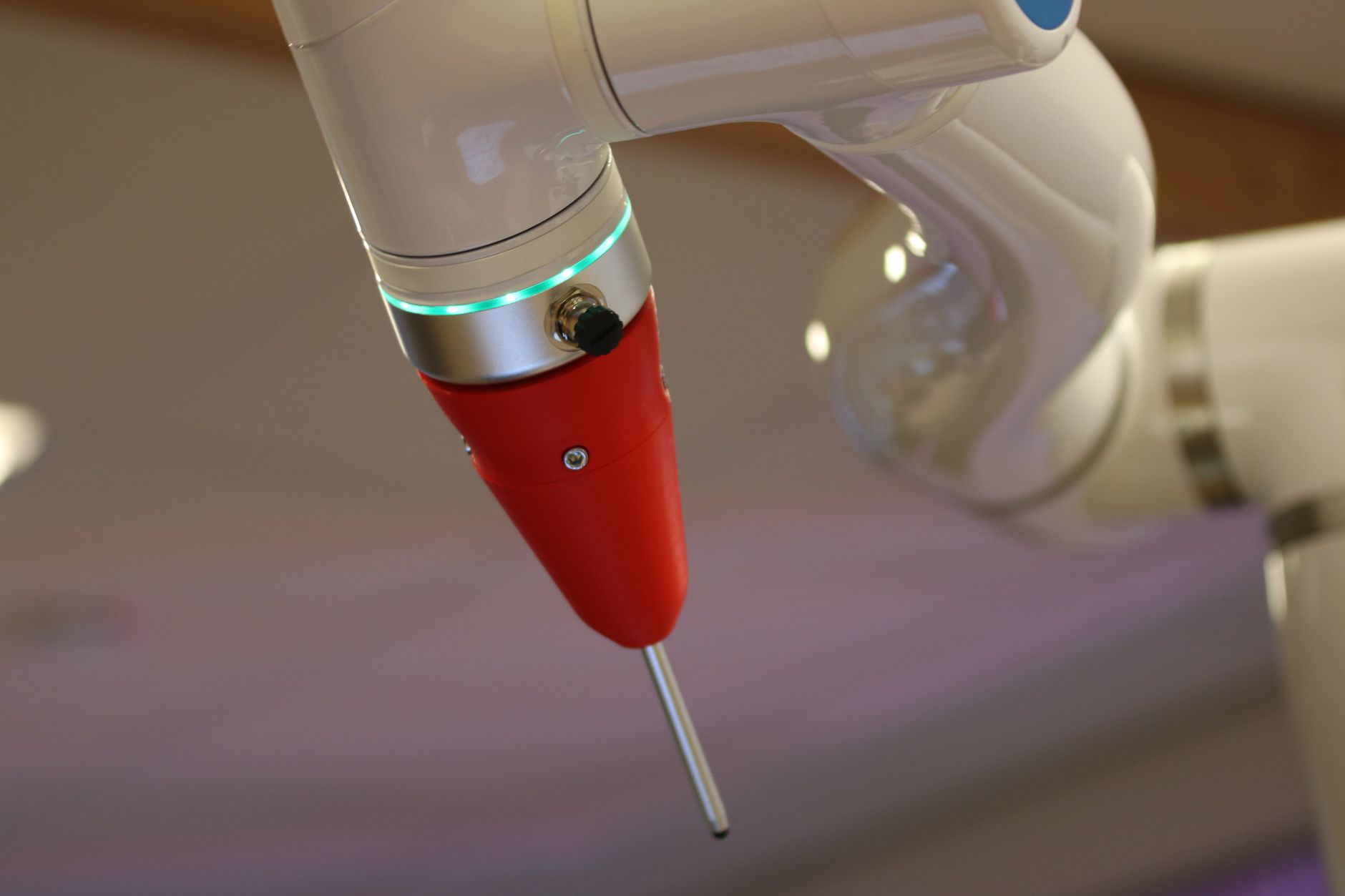

Dental robotics technology is advancing toward mainstream clinical use as automated systems undergo trials to prove their effectiveness in tooth procedures. These robotic systems represent a significant shift in how dental surgeons perform complex treatments, from implant placement to crown preparation, with the potential to improve precision and consistency across procedures. Rather than replacing dentists, these robots are designed to work alongside practitioners, handling the most technically demanding aspects of tooth work while dentists focus on diagnosis, treatment planning, and patient care.
The clinical trial phase is critical for establishing whether robotic systems can deliver measurable benefits over traditional manual techniques. Early trials are examining outcomes like implant success rates, treatment time, patient comfort, and the ability of the technology to handle the anatomical variability that dentists encounter daily. A dental practice implementing such a system would need to consider not only the clinical advantages but also the operational costs, staff training requirements, and how the technology integrates with existing workflows.
Table of Contents
- What Precision Standards Must Dental Automation Systems Meet?
- How Are Clinical Trials Structured and What Safety Protocols Apply?
- What Are Current Applications in Tooth Procedures?
- How Do These Systems Integrate Into Dental Practice Operations?
- What Precision and Technical Challenges Remain Unsolved?
- What Are the Cost and Training Implications?
- What Do Early Patient Outcomes and Acceptance Data Show?
- Frequently Asked Questions
What Precision Standards Must Dental Automation Systems Meet?
Dental procedures demand extraordinary precision—tooth implant placement must achieve accuracy within fractions of a millimeter to ensure proper osseointegration and long-term success. robotic systems in clinical trials are being evaluated on their ability to maintain consistent accuracy across multiple procedures and different patient anatomies. This precision requirement is substantially higher than in many other surgical robotics applications because a small deviation can lead to implant failure, requiring removal and costly revision surgery.
The difference between robotic and manual precision becomes apparent in procedures like guided implant placement, where the robot must navigate bone structure while avoiding nerves and sinuses. Trials measure not just the final positioning but also the path the robot takes, how it responds when it encounters variations in bone density, and whether any manual intervention is required during automated phases. One limitation is that current robotic systems rely heavily on pre-procedure imaging and planning, which means they cannot fully adapt in real-time to intraoperative discoveries the way an experienced surgeon’s hands might.
How Are Clinical Trials Structured and What Safety Protocols Apply?
Clinical trials for dental robots typically unfold in phases, beginning with small cohorts of patients and expanding if safety and efficacy metrics are met. These trials measure outcomes like implant stability quotient (ISQ) values, bone resorption patterns over time, infection rates, and patient-reported outcomes regarding pain and satisfaction. Safety protocols are extensive because any malfunction during a tooth procedure occurs inside the patient’s mouth, where complications could involve nerve damage or excessive bone removal.
The regulatory pathway for dental surgical robots varies by jurisdiction, but most require demonstration that the automated system performs as well as or better than conventional methods across a range of clinical scenarios. A critical limitation in early trials is that they typically involve patients at experienced robotic centers with highly trained teams, which may not represent outcomes when the technology spreads to general dental practices with less specialized support. Researchers also monitor for unexpected failure modes—such as how the robot behaves if sensors malfunction or if the patient moves suddenly—to ensure safeguards prevent patient harm.
What Are Current Applications in Tooth Procedures?
Dental robots are undergoing trials for several categories of procedures, with implant dentistry being the primary focus because of its high precision demands and significant patient population. Other applications under investigation include crown preparation, bone grafting guidance, and periodontal procedures. Implant placement involves drilling into the jawbone at specific angles and depths; a robot can perform this with remarkable consistency, though the tooth implant itself is not yet being placed robotically—the robot guides and drills, then the dentist or the robot places the final implant component.
Comparison with manual implantology shows that experienced surgeons already achieve high success rates, so any robotic system must prove it can match or exceed this baseline. The advantage robots may provide is consistency across cases and across practitioners—a high-skill implant surgeon relies partly on years of experience, while a robotic system performs the same motion profile identically each time. An example limitation is that robots cannot yet replicate the adaptive decision-making a dentist uses when unexpected bone quality is encountered, so the system must either pause for manual adjustment or follow predetermined contingency protocols that may be suboptimal for that specific patient.
How Do These Systems Integrate Into Dental Practice Operations?
Integration requires substantial infrastructure investment beyond the robotic unit itself. Practices must install imaging systems (CBCT or similar), computer workstations for treatment planning, sterile operational spaces designed for both the robot and the dentist to work together, and staff training programs. The workflow is not simply “turn on robot and walk away”—dentists must perform comprehensive pre-operative planning, validate the robot’s proposed approach, and remain present during the procedure to intervene if needed.
A tradeoff exists between the time saved by precise robotics and the additional pre-procedure planning time required. Some estimates suggest that complex implant cases might see overall time reductions, but straightforward cases might not justify the additional setup time and planning overhead. Practices also face a decision about whether to position the robot as a standard offering (requiring amortization across many cases) or a premium service (charging significantly more), since the capital and operational costs are substantial relative to traditional implant equipment.
What Precision and Technical Challenges Remain Unsolved?
One persistent challenge is real-time adaptation to imaging limitations. Pre-operative imaging, even high-quality CBCT scans, contains artifacts and has resolution limits that can obscure anatomical details. A robot following a plan based on imperfect imaging may encounter bone or anatomical features not accurately represented in the digital model. Trials are revealing that some procedures require manual intervention—the dentist must stop the robot, assess the actual anatomy, and adjust the treatment plan, which partly negates the efficiency advantage.
Another technical limitation is the handoff between automated and manual phases. Implant placement, for example, may involve a robotic drilling phase followed by manual insertion of the implant component. The junction between these phases must be seamless and safe, requiring careful engineering of the positioning system and validation protocols. A warning for early adopters: systems that have not completed comprehensive clinical trials may have insufficient data on rare complications, and practices implementing new technology assume some unknown risk that will only become apparent as more patients are treated and more time passes post-treatment.
What Are the Cost and Training Implications?
Capital costs for dental robotic systems typically range significantly, and that investment is recovered through case volume and premium pricing. Beyond hardware, practices must budget for ongoing maintenance, software updates, and certification training for clinical and technical staff. Dentists using these systems require different training than traditional implantologists—they must understand the robotic system’s limitations, how to troubleshoot planning software, and when to override or intervene.
Training creates a barrier to rapid adoption because dentists in practice must take time away from patient care to develop proficiency, and this investment is specific to each robotic platform. An example: if a practice purchases a robotic system from one manufacturer and that manufacturer discontinues the product line, the practice’s trained staff and protocols become less valuable, and reinvestment in new technology is necessary. This vendor lock-in risk is rarely discussed in marketing materials but represents a significant long-term consideration for practice owners.
What Do Early Patient Outcomes and Acceptance Data Show?
Patients undergoing robotic-assisted dental procedures generally report similar or slightly improved comfort levels compared to conventional methods, likely because the automation reduces procedure duration and eliminates some repetitive stress on surrounding tissues. Long-term data on implant survival and bone resorption patterns are still being collected, as robotic implants have not yet been in patients for decades the way conventional implants have. Early trials show implant success rates consistent with manual placement, but this is expected from centers with highly trained teams and carefully selected patients.
Acceptance among dentists is mixed. Some practitioners embrace the precision and consistency, while others resist the complexity, cost, and learning curve. Patient acceptance appears high when presented with clear information about the technology’s benefits and track record. A concrete limitation is that early patient cohorts tend to be well-informed, motivated individuals willing to accept novel treatment—real-world acceptance among broader patient populations, particularly those with limited technology familiarity or lower risk tolerance, remains uncertain and will only be clarified as clinical use expands beyond specialized centers.
- —
Frequently Asked Questions
Are dental robots ready to use in regular dental practices?
No. Most robots are currently available only at specialized centers with dedicated training and infrastructure. Broader rollout depends on completing clinical trials and establishing clear regulatory approval pathways.
Can robots perform entire implant procedures without dentist involvement?
Current systems are semi-autonomous; robots typically perform drilling and positioning while dentists handle diagnosis, planning, and implant component insertion. Full automation remains investigational.
How much do dental robotic systems cost?
Capital costs are substantial (typically in six-figure ranges), plus ongoing maintenance and software subscriptions. Practices must treat significant case volume to justify the investment.
What happens if a robotic system malfunctions during a procedure?
Safety protocols include real-time monitoring, automatic shutoff systems, and requirements that the dentist remain present and able to intervene immediately. Malfunction response is part of clinical trial evaluation.
How long have dental robots been tested in humans?
Clinical trials are relatively recent, with systematic outcome data still being collected. Long-term implant survival (10+ years) data will take additional years to accumulate and analyze.