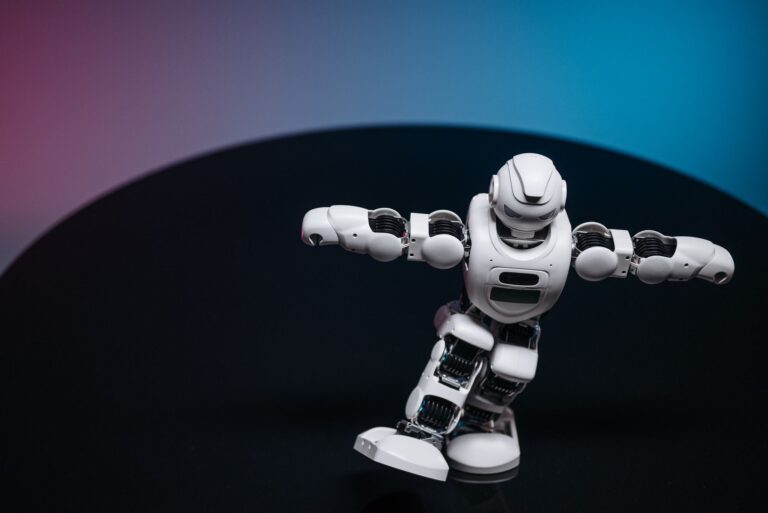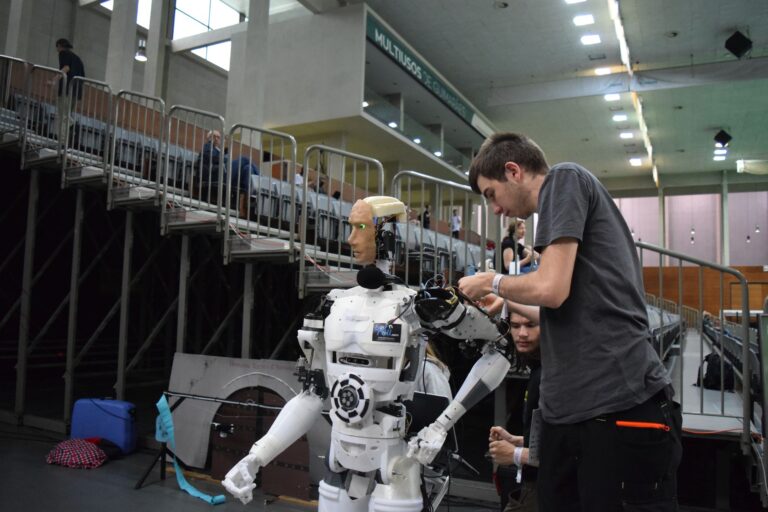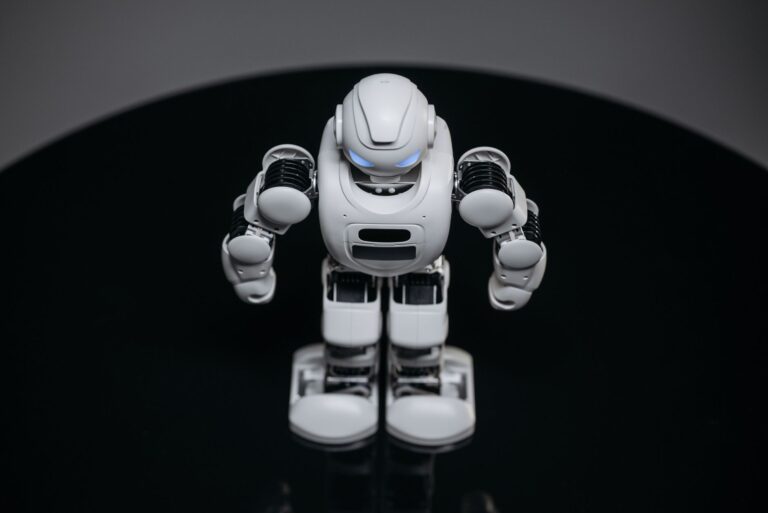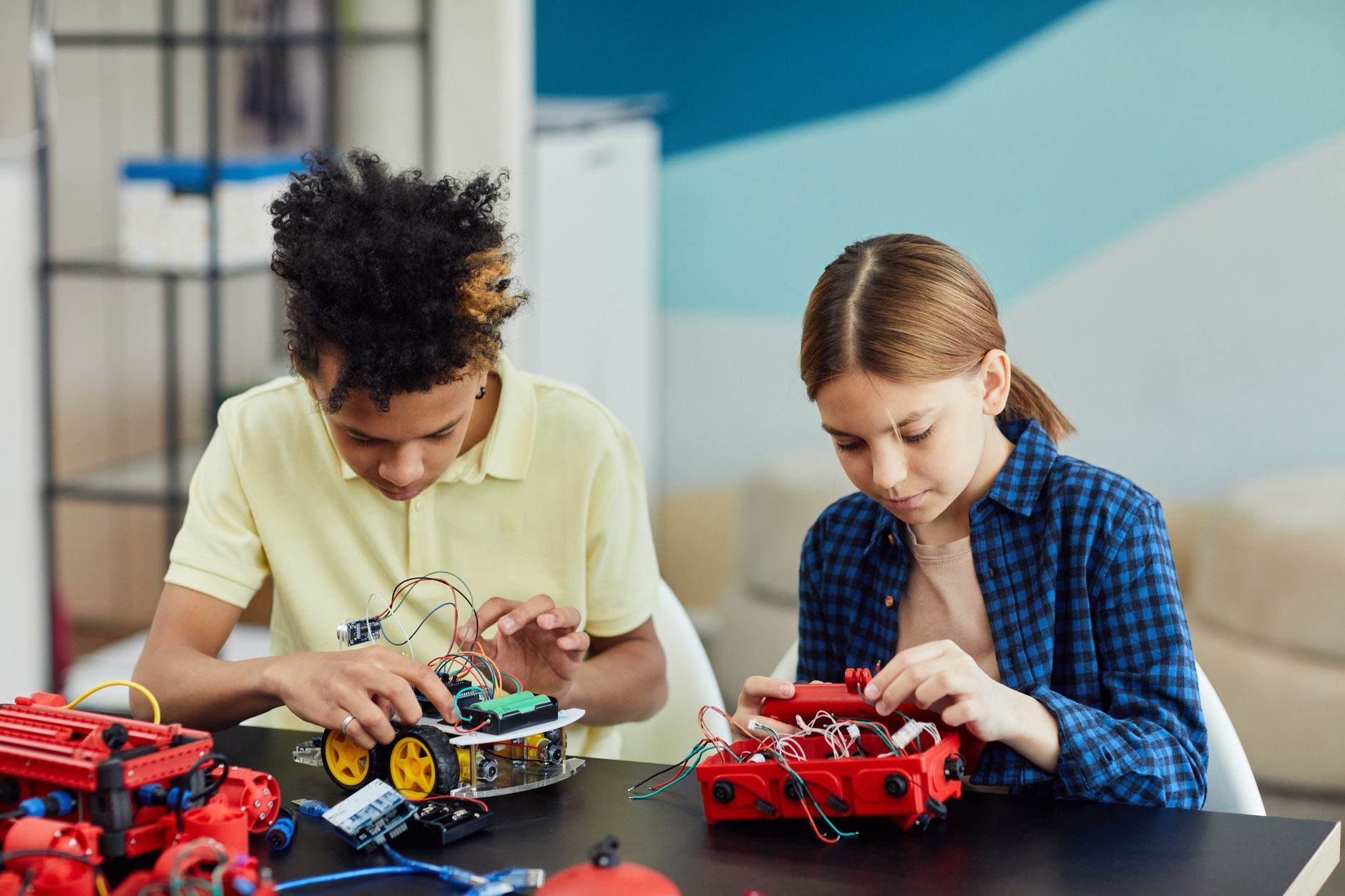

Several school districts across the United States have begun piloting humanoid robots as a tool to supplement classroom instruction, testing whether robots can assist with teaching tasks, student engagement, and administrative duties. These initiatives represent an experimental approach to addressing teacher shortages and providing consistent educational support. For example, some districts have deployed robots in elementary classrooms to help lead recitation drills, practice standardized test preparation, and deliver pre-recorded lessons while human teachers focus on one-on-one student support.
The idea is not to completely replace human educators, but rather to allocate them more efficiently while robots handle repetitive instructional segments. These robots can be programmed to deliver the same lesson consistently to multiple classrooms, maintain engagement through gesture and voice, and theoretically operate beyond standard school hours. However, the results so far have been mixed, with success depending heavily on implementation context, the specific robot model, and how well districts integrate robots into existing workflows rather than simply adding them as novelties.
Table of Contents
- What Are Schools Actually Testing With Humanoid Robot Pilots?
- Current Capabilities and Technical Limitations of Classroom Robots
- Teacher Response and Workplace Implications
- Implementation Challenges and Practical Integration
- Student Learning Outcomes and Unintended Consequences
- Cost-Benefit Analysis for School Districts
- Scaling Challenges and the Role of Corporate Interests
- Frequently Asked Questions
What Are Schools Actually Testing With Humanoid Robot Pilots?
School districts running these pilots typically deploy robots manufactured by companies that specialize in educational automation. These robots generally feature mobility (wheeled or bipedal), voice synthesis, visual recognition capabilities, and touch-sensitive interfaces. In classroom settings, robots have been tested for delivery of interactive lessons, tutoring support in specific subjects like mathematics or language arts, and monitoring classroom behavior—though this last application has generated privacy concerns among parents and educators. The scale of most pilots remains limited.
Rather than deploying dozens of robots district-wide, most initiatives involve a handful of units in select schools or classrooms. This approach allows educators to gather data on effectiveness, identify technical problems, and assess whether students and teachers adjust to working with machines. Some pilots have run for a full academic year; others have lasted only a semester. The variation in duration and scope makes it difficult to draw universal conclusions about whether humanoid robots are viable long-term classroom tools.
Current Capabilities and Technical Limitations of Classroom Robots
humanoid robots designed for education can perform a range of tasks, but significant constraints limit their practical utility. These robots can display educational content, move around a classroom, recognize spoken commands, and respond to student input through a screen or touchpad. They can record video and audio, track student engagement through eye-contact detection or hand-raising recognition, and adapt their speech based on the age group they address.
However, robots still struggle with unpredictable classroom dynamics. They cannot reliably manage behavioral issues, respond to complex emotional needs, or navigate the social complexities of a classroom where students constantly push boundaries. A robot cannot sense when a student is struggling emotionally as opposed to academically, cannot discipline in a way that preserves student dignity, and cannot make the kind of contextual judgment calls that experienced teachers make automatically. Additionally, the robots require ongoing maintenance, regular software updates, and technical support staff—costs that many districts underestimate when they approve initial pilots.
Teacher Response and Workplace Implications
The reaction from educators has been cautiously mixed. Some teachers view robots as tools that free them from repetitive grading, test prep, or administrative work, allowing more time for individual student support. Others worry about job security, the potential erosion of classroom culture, and the message that schools are deprioritizing human connection in favor of cost savings. Early reports from pilot districts suggest that teacher acceptance improves when robots are introduced as assistants rather than replacements, and when teachers have input into how the robots are used.
Union representatives have raised concerns about the long-term trajectory of these programs. Even if robots are not explicitly intended to replace teachers, districts facing budget constraints might be tempted to reduce teaching staff as robots handle more instructional tasks. This concern is not merely theoretical; cost analysis is often a driving factor in why districts pursue robot pilots in the first place. Without clear contracts and policies protecting educator positions, the introduction of robots creates ambiguity about the future of teaching roles.
Implementation Challenges and Practical Integration
Deploying robots in real schools is more complicated than the technology companies’ marketing materials suggest. Classrooms are not standardized environments; they vary in layout, acoustics, lighting, and internet connectivity. A robot that works smoothly in a well-equipped suburban classroom may struggle in an older school with poor Wi-Fi. Teachers need training to use the robots effectively, which requires professional development time and resources.
Scheduling robot usage across multiple classrooms requires coordination and planning that disrupts existing teacher autonomy. The financial tradeoff is central to the decision. A single humanoid robot can cost anywhere from tens of thousands to over a hundred thousand dollars, depending on its capabilities. Over the life of the device, adding maintenance, repairs, software licenses, and operator training, the per-student cost per year can exceed the cost of hiring additional support staff or tutors. Districts pursuing robots often do so believing the cost will decrease as the technology matures, but they are investing in unproven systems with limited track records.
Student Learning Outcomes and Unintended Consequences
The research question of whether students actually learn more effectively from robots remains unsettled. Some pilot data suggests that robots increase engagement and participation, particularly in younger grades, because the novelty captures attention. However, novelty fades. Long-term studies are rare, but early indications suggest that engagement metrics improve in the first few months and then decline as students become accustomed to the robot’s presence and limitations.
Engagement is not the same as learning, and several pilot districts have found that standardized test scores did not improve despite higher classroom engagement. There are also unintended consequences that districts did not anticipate. Some students with autism or social anxiety initially responded positively to robots because the interaction felt less threatening than human contact; however, over time, this can reduce exposure to normal social interaction. Students have also learned to circumvent or manipulate robots’ behavioral monitoring systems, turning the robots into a kind of surveillance that students resent. Privacy breaches in robot data collection—where video or audio recordings were not properly secured—have occurred in at least a few pilot districts, creating parent backlash and legal concerns.
Cost-Benefit Analysis for School Districts
When districts conduct honest cost-benefit analyses, the numbers often push back against the investment. The upfront capital cost is high, but ongoing costs are where budgets really hurt. Software subscriptions, hardware maintenance, repairs after student misuse, and technical staff to manage the robots add up quickly.
In a school district with constrained resources, the same money spent on hiring paraprofessionals, expanding tutoring programs, or reducing class sizes typically shows stronger returns on learning outcomes. Some pilot programs have moved toward hybrid approaches where robots handle specific, narrow tasks—such as delivering medication reminders in a school nurse’s office or managing attendance tracking—rather than full instructional delivery. These narrower applications sometimes make financial sense and avoid the awkwardness of relying on robots for core teaching.
Scaling Challenges and the Role of Corporate Interests
As more districts express interest in educational robots, manufacturers are ramping up production and competing for district contracts. This creates pressure on school leaders to commit before full evaluation is complete. Some vendors have promised turnkey solutions, technical support, and training packages that sound comprehensive but often disappoint in execution.
Districts that jumped in quickly have sometimes found themselves with outdated hardware, abandoned software support, or companies that went out of business. The question of whether school districts should continue investing in classroom humanoid robots as replacement educators does not have a simple yes-or-no answer. What is clear is that robots are not a silver bullet for teacher shortages or budget constraints, and districts that pursue them as a replacement strategy rather than as a targeted tool for specific tasks are likely to be disappointed. The technology continues to improve, but the human elements of teaching—motivation, empathy, relationship-building, and contextual judgment—remain difficult to automate.
Frequently Asked Questions
Are humanoid robots cheaper than hiring teachers?
No. The capital cost and ongoing maintenance make robots more expensive than employing paraprofessionals or tutors over a five-year period, and students don’t learn better outcomes from robots alone.
Which school districts have active humanoid robot pilots?
Several districts have tested robots, but specific programs have ended or changed scope. Details vary widely by location and change frequently as pilots conclude or expand.
Can robots handle classroom behavior management?
Not effectively. Robots cannot assess emotional states, make nuanced judgment calls about discipline, or build the trust relationships needed to influence student behavior.
What happens to these robots after the pilot ends?
Some are sold or donated to other districts; some are returned to manufacturers or resold; many sit in storage because the initial investment cannot be recovered and districts move on to other initiatives.
Do students learn better with robots than traditional instruction?
Engagement sometimes increases initially due to novelty, but long-term learning outcomes have not shown consistent improvement in pilot data, and novelty effects fade within months.
What is the main concern educators have about classroom robots?
Job security and the fear that districts use robots to justify reducing teaching staff rather than using them as supplementary tools.