
Shoppa’s Material Handling recently announced the integration of its warehouse automation and intralogistics operations under a unified brand, consolidating separate business units into a single organization dedicated to complete material handling solutions. This restructuring represents more than a rebranding—it reflects how traditional equipment distributors are evolving into comprehensive automation service providers. A company that built its reputation as one of North America’s largest Toyota forklift dealers is now positioning itself as a full-service automation partner, offering everything from autonomous mobile robots to automated storage systems under one roof. The consolidation matters because it addresses a fragmentation problem in the material handling industry. Historically, warehouses had to piece together solutions from multiple vendors: one company for forklifts, another for conveyor systems, a third for robotic systems.
Shoppa’s unified structure eliminates those handoff points, allowing customers to work with a single integrator for mixed fleets and complex operations. With $58.6 million in annual revenue and 373 employees, the company has the scale and expertise to deliver this integrated approach. This move coincides with a sharp acceleration in warehouse automation investment. Across North America, companies are planning to spend an average of $1.6 million on automation in 2026, up from $1.5 million in 2025. Labor shortages have become one of the biggest forces reshaping material handling decisions, driving demand for systems that reduce manual handling while improving ergonomics and operational efficiency.
Table of Contents
- Why Material Handling Companies Are Consolidating Automation Services
- Complete Material Handling Solutions—From Traditional Equipment to Advanced Automation
- The Toyota Forklift Connection—How a Legacy Dealer Embraces Automation
- Labor Shortages Drive Practical Automation Investment
- Scaling Growth While Managing Operational Complexity
- Industry Trends Accelerating Warehouse Automation Adoption
- The Operational Case for Integration in Warehouse Services
Why Material Handling Companies Are Consolidating Automation Services
The warehouse automation market has historically operated in silos. Equipment dealers sold forklifts and pallet jacks. Systems integrators installed conveyor networks. robotics firms deployed autonomous systems. Customers managed multiple vendor relationships, each with different contracts, support structures, and integration requirements. Shoppa’s consolidation challenge this fragmented model by bringing these capabilities under unified management and brand identity. The business case for consolidation is straightforward but powerful.
When a warehouse manager encounters a bottleneck in their material flow, they need to know whether the solution is a faster forklift, a conveyor optimization, or an autonomous mobile robot—and they need one organization that can evaluate all three options objectively. A vendor with only one product category has inherent bias. A unified provider can recommend the right tool without competing internal agendas. This structural advantage becomes more valuable as automation becomes more complex and integrated. Shoppa’s revenue scale of $58.6 million supports this broader strategy. The company has sufficient resources to invest in robotics capabilities, maintain forklift distribution, and manage the integration expertise that complex warehouses require. Consolidation also allows the company to cross-train its 373 employees across multiple product categories, building teams that understand how forklifts interact with conveyor systems and how autonomous robots fit into existing workflows.
Complete Material Handling Solutions—From Traditional Equipment to Advanced Automation
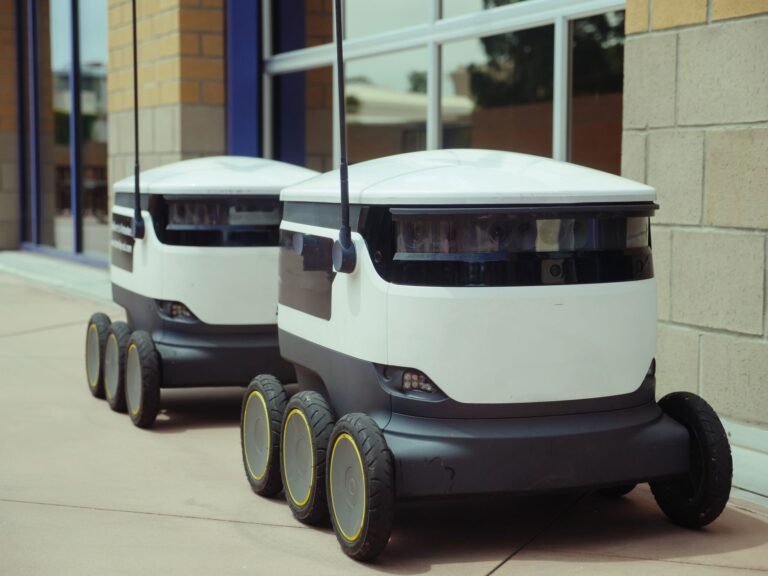
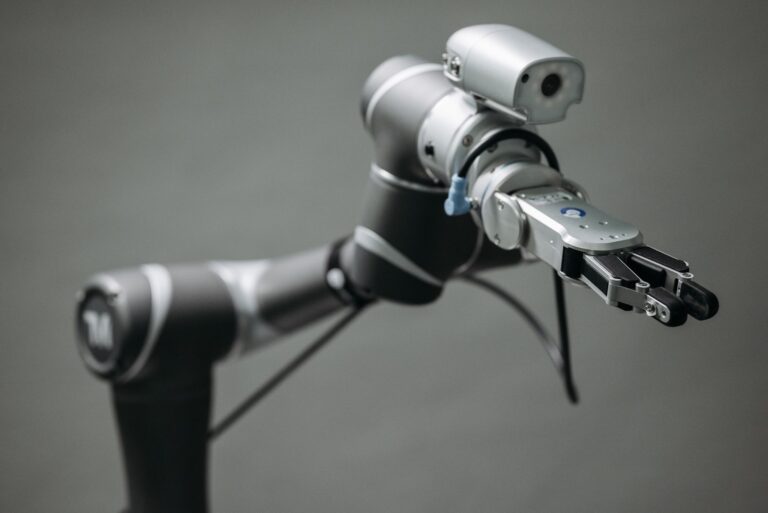
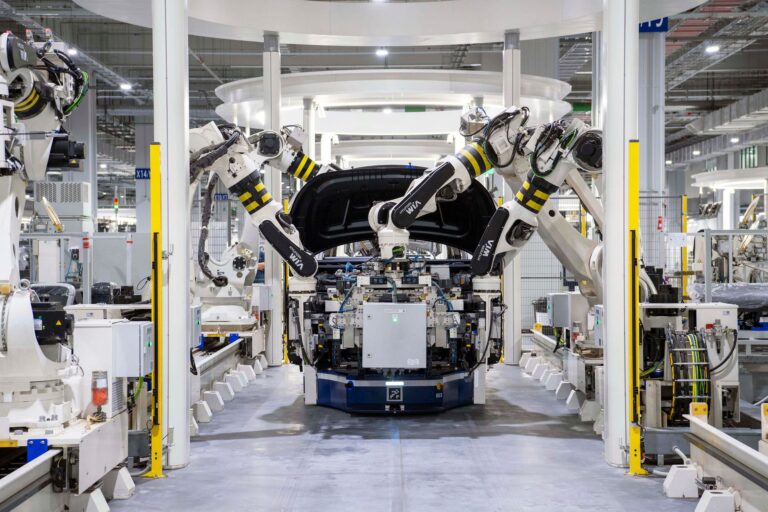
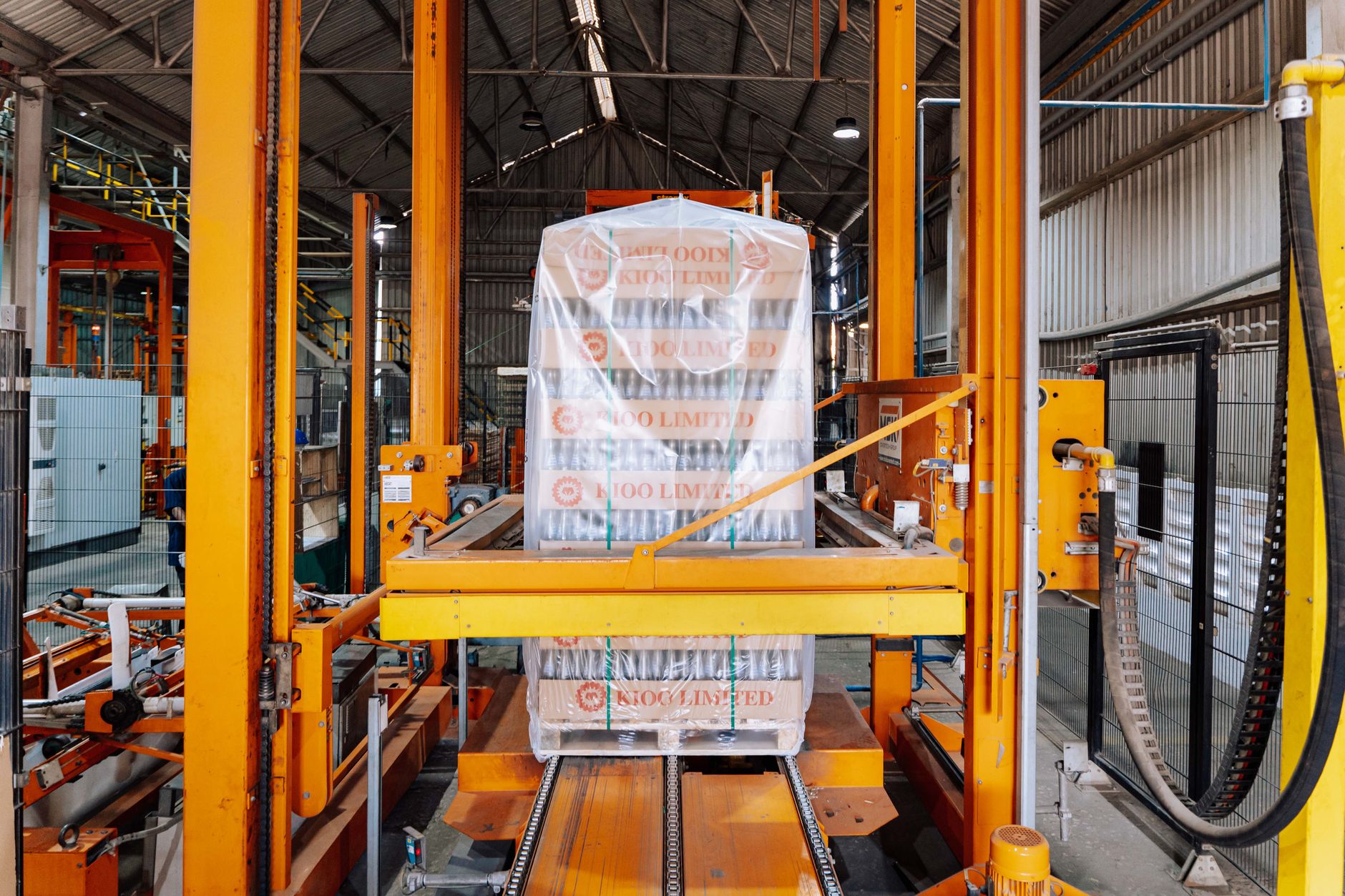
Shoppa’s automation portfolio spans the full range of warehouse technologies: Automated Storage and Retrieval systems (AS/RS), Autonomous Mobile Robots (AMRs), vertical lift modules, conveyor systems, and sortation systems. This breadth allows facilities to automate piece-by-piece or pursue comprehensive transformation. A small warehouse might start with a single conveyor system to streamline a bottleneck. A large distribution center might deploy an integrated environment with AS/RS for high-density storage, AMRs for flexible movement, and sortation for rapid order fulfillment. The challenge with comprehensive automation is operational complexity. A facility with integrated AS/RS, AMRs, and conveyor systems creates multiple interdependencies. If the AS/RS experiences downtime, workflows cascade through the entire system.
If AMR fleet management software conflicts with sortation system logic, productivity collapses. Systems that look elegant on a blueprint can create unexpected problems in practice. A unified provider like Shoppa’s Material Handling must manage these dependencies through careful integration planning and ongoing technical support—a capability that requires deep expertise across multiple domains. The vertical lift module example illustrates the value of product breadth. These systems organize parts in 2D carousel or vertical formats, dramatically increasing density compared to traditional racking. But they work best as part of a coordinated flow: parts move from receiving to vertical lift modules via conveyor, orders are picked from the modules and sorted for shipment. A single-product vendor can sell the module. An integrated provider can design the entire system, eliminating the gaps where traditional handoffs create inefficiency and risk.
The Toyota Forklift Connection—How a Legacy Dealer Embraces Automation
Shoppa operates as one of North America’s largest Toyota forklift distributors and authorized dealer. This established position might seem misaligned with warehouse automation innovation, but it’s actually a strategic advantage. Forklifts remain fundamental to material handling—they move goods into warehouses, between storage areas, and into shipping. A company that understands forklift operations intimately understands the real-world constraints that automation must solve. Toyota forklift dealerships have direct relationships with warehouse managers, facility engineers, and procurement teams across their regions. These relationships create natural pathways for discussing automation needs.
When a facility manager mentions that forklift operators are becoming harder to recruit, the conversation naturally leads to AMRs, which might replace some manual movement or reduce operator workload. The dealer’s existing credibility and service infrastructure provide a foundation for deploying more advanced solutions. Traditional equipment distribution becomes a gateway to automation consulting. This positioning also creates a specific competitive advantage: Shoppa can design mixed-fleet environments that include Toyota forklifts operating alongside autonomous systems. Some facilities cannot fully automate—they need human-operated equipment for flexibility and exception handling. An integrator that understands both categories can optimize the interaction between them, perhaps using AMRs for high-volume predictable movements and forklifts for irregular or exception cases.
Labor Shortages Drive Practical Automation Investment
Labor shortages have become the primary decision driver for warehouse automation investment. Facilities cannot find enough workers to staff traditional operations. Wages for material handling roles have increased significantly, making automation economically attractive even for facilities with moderate throughput. This creates an urgency that differs from the “build for future scalability” rationale that traditionally justified automation investment. However, this labor-focused adoption introduces practical constraints. Warehouse managers don’t want unnecessarily complicated systems. They need automation that is easier to operate, requires minimal training, and integrates with existing workflows.
Autonomous mobile robots designed for simple navigation and responsive to human presence fit this profile better than large capital-intensive systems. Shoppa’s Material Handling Trends Report identifies this dynamic: customers are prioritizing equipment that is easier to operate and more ergonomic, not just faster or more sophisticated. The economic tradeoff is significant. A facility with severe labor shortages might accept a $1.6 million automation investment they would have rejected five years ago, when labor was more readily available. But they’re unlikely to invest in gold-plated solutions. Shoppa’s portfolio must deliver ROI quickly and address immediate operational problems. This drives decision-making toward practical, proven technologies rather than experimental systems.
Scaling Growth While Managing Operational Complexity
Shoppa is planning to increase funding, update workflow systems, and expand headcount to execute this unified platform strategy. Growth at this stage requires careful management. The company must integrate separate technical teams and service organizations, develop cross-functional expertise, and build systems that coordinate multiple product lines. Missteps during this expansion can fragment the organization again—creating divisions between forklift service, automation installation, robotics support, and other functions. The risk of scale is that complexity multiplies. A forklift service organization has proven, repeatable processes: a customer calls with a breakdown, a technician responds, equipment is repaired or parts are installed. Automation system integration is far less standardized.
Each warehouse presents unique layout challenges, workflow requirements, and integration constraints. As Shoppa grows to handle more automation projects, the company must develop repeatable methodologies without reducing each solution to oversimplified cookie-cutter implementations. This requires continuous training, methodological development, and quality control that many growing companies underestimate. The consolidation timing is strategic. Warehouse robotics funding is accelerating dramatically. In early 2026, approximately 47 named investors funded warehouse robotics across 8 deals, compared with 28 named investors across 7 deals in 2025. This capital flow signals that investors believe automation is moving from niche to mainstream. Shoppa’s timing to unify and expand positions it to capture market share during this growth phase.
Industry Trends Accelerating Warehouse Automation Adoption
The broader warehouse automation market is shifting in 2026. The average automation investment has increased to $1.6 million, up from $1.5 million in 2025—a modest but meaningful increase that reflects sustained confidence in automation value. More significantly, the investor community is actively funding warehouse robotics companies. The jump from 28 named investors in 2025 to 47 in 2026 indicates that capital is flowing into this space at accelerating velocity.
This capital influx creates both opportunities and pressure for established players like Shoppa. Newer robotics startups will compete aggressively in the AMR market. Traditional automation vendors will expand their product offerings. Shoppa’s unified platform approach attempts to compete on integration depth and proven reliability rather than cutting-edge innovation alone. A facility manager choosing between a single vendor with decades of experience in material handling and three startups offering the latest technology faces a genuine tradeoff—not all customers will prioritize the unified approach.
The Operational Case for Integration in Warehouse Services
The integration of warehouse automation and traditional material handling services represents a structural response to real operational problems. Facilities with mixed automated and manual processes require vendors who understand both domains and can optimize their interaction. Shoppa’s unification under the Material Handling brand signals that the company is betting on this integration as a durable competitive advantage.
Consider a mid-size distribution facility that operates AS/RS for high-volume items, uses AMRs to move pallets between receiving and storage, and relies on Toyota forklifts for exception cases—damaged items, unusual shapes, last-minute rush orders. A facility manager dealing with five separate vendors for these functions faces coordination problems. Shoppa’s unified structure means one service contract, one point of accountability, and one organization responsible for ensuring these systems work together. The company’s $58.6 million revenue base and established service organization provide the depth required to deliver this level of integrated support consistently.
- —