
Recent demonstrations of advanced humanoid robots have reignited a longstanding debate in robotics: whether making machines increasingly human-like in appearance actually improves human-robot interaction, or whether it creates psychological discomfort that undermines adoption. The uncanny valley—the unsettling feeling people experience when something looks almost, but not quite, human—has become a central concern for robotics companies designing the next generation of androids. When a humanoid robot video circulates online, reactions often split between fascination and visceral unease, revealing just how powerful this psychological response remains even as robotics technology advances.
The uncanny valley effect is not new to robotics, but it has become more urgent as machines grow more sophisticated. Engineers and designers now face a genuine trade-off: pursue hyper-realistic human features to maximize relatability, or deliberately maintain a distinct artificial appearance to avoid triggering discomfort. This isn’t merely an aesthetic question—it affects whether robots gain acceptance in homes, hospitals, and workplaces.
Table of Contents
- Why Does The Humanoid Design Trigger Psychological Pushback?
- The Technical Limitations Behind The “Almost Human” Problem
- Real-World Examples From Current Robotics Development
- Should Roboticists Pursue Realism or Stylization?
- The Consent and Relationship Problem
- How Industry Is Responding to Uncanny Valley Concerns
- The Ongoing Debate About What Humanoid Robots Should Actually Look Like
Why Does The Humanoid Design Trigger Psychological Pushback?
The uncanny valley phenomenon occurs in a specific zone of human likeness. A robot with obvious mechanical features—wheels, exposed joints, geometric proportions—reads as clearly artificial and doesn’t disturb viewers. Similarly, a perfectly human android might feel natural. But in between, where a robot has realistic skin, human-like movement, and almost-correct facial features, something triggers dread or discomfort.
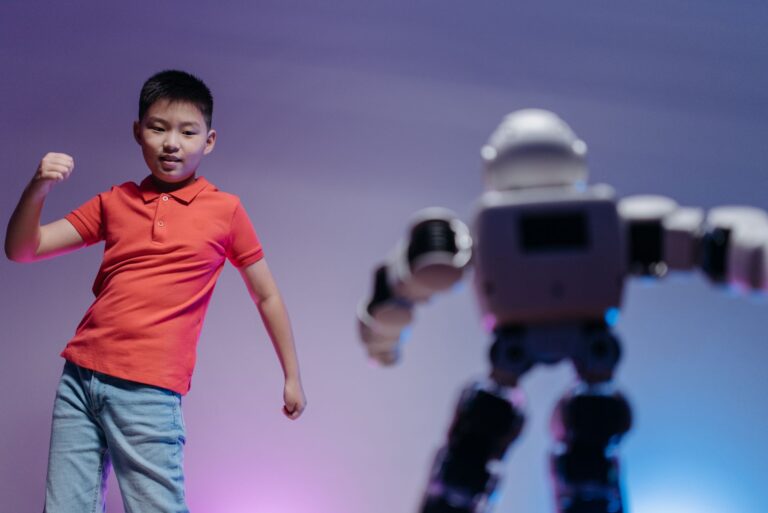
This happens because the brain detects inconsistencies: slightly wrong proportions, jerky movements, or lag in eye contact that signal something is “off.” Different audiences experience uncanny valley effects with different intensity. Children often show less discomfort than adults. People with certain neurodivergent traits report different responses than neurotypical observers. Age, cultural background, and prior exposure to humanoid robots all influence whether someone finds a design unsettling or appealing. Some researchers argue that familiarity reduces the uncanny valley effect over time—as people see more robots, the technology feels less alien—while others point to consistent reports of unease even around well-known robots like certain versions of Sophia or earlier Pepper deployments.
The Technical Limitations Behind The “Almost Human” Problem
Creating truly convincing human movement and expression is harder than it appears. Facial animation requires dozens of micro-movements coordinated across muscles that don’t exist in robots—the way human skin folds, the inconsistent micro-expressions of genuine emotion, the millisecond timing of natural eye movement. Most current humanoids miss one or more of these cues. A robot might have realistic skin texture but move its head with hydraulic precision.
Another might have expressive eyes but an uncanny smile that doesn’t quite synchronize with other facial movements. The warning here is that incremental improvements to human likeness don’t necessarily reduce discomfort—they often intensify it. A robot that’s 70% human-like in appearance but moves at 60% of natural speed may feel more disturbing than one that’s 40% human-like and moves with mechanical clarity. This is the precise nature of the uncanny valley trap: partial success at mimicking humanity often performs worse, psychologically, than either authentic mechanical design or full anthropomorphic achievement (if that were possible).
Real-World Examples From Current Robotics Development
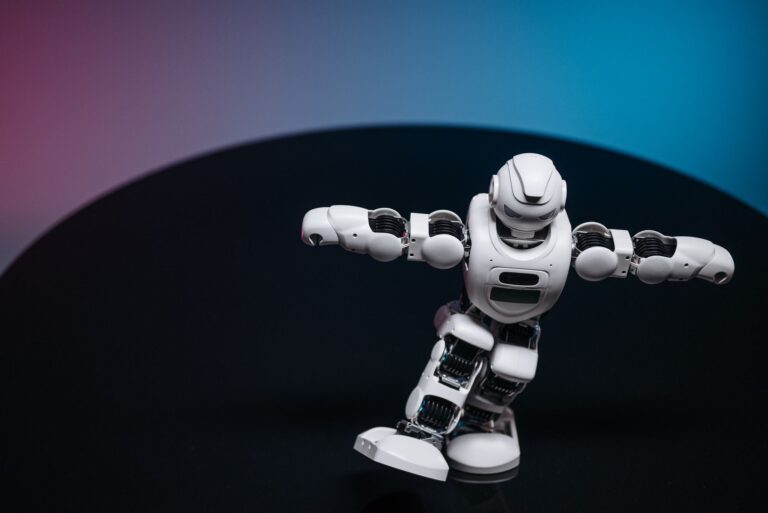
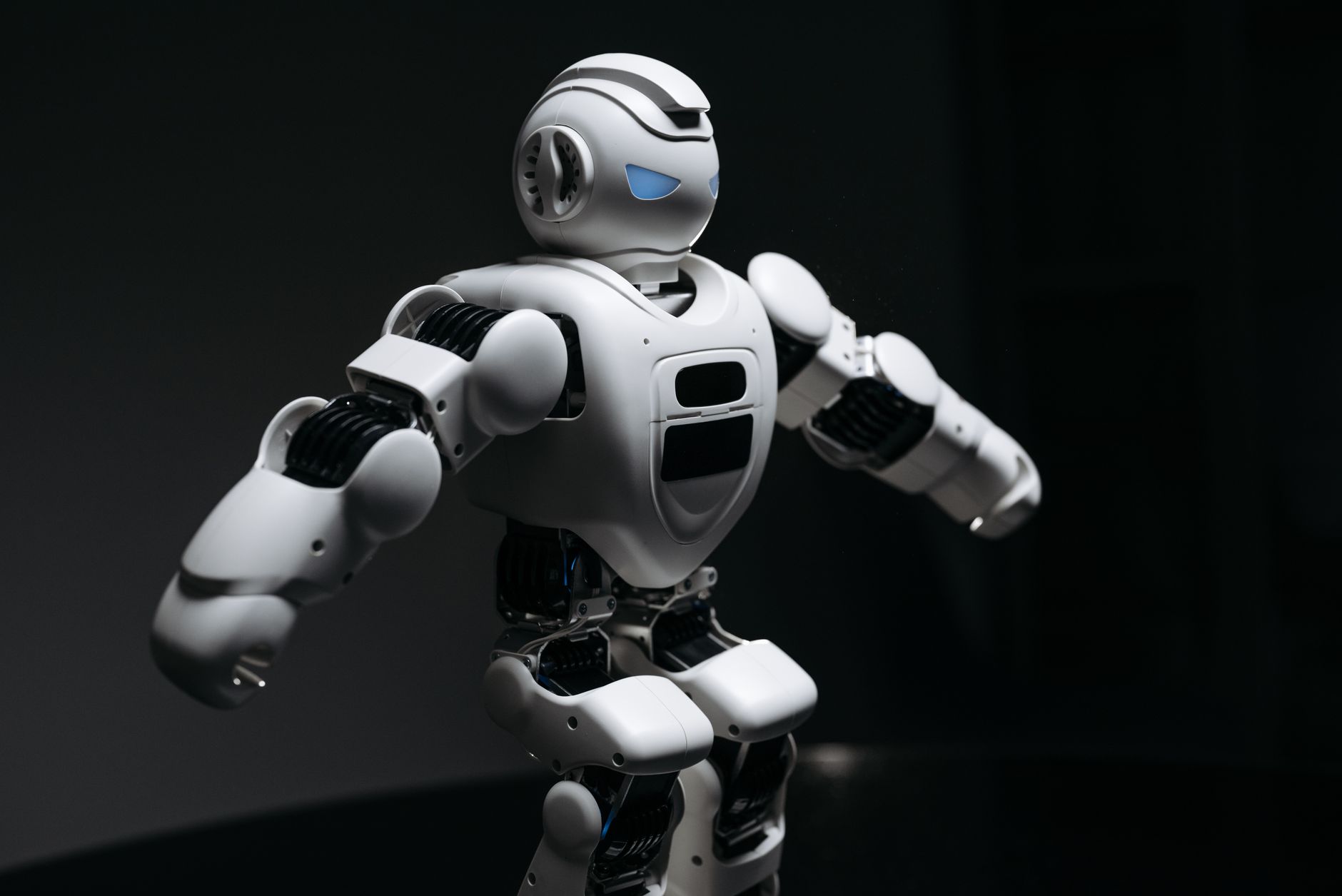
Several production humanoids have encountered this issue in different ways. Some companies have pivoted toward deliberately stylized, non-human aesthetics—larger eyes, exaggerated proportions, or clearly visible mechanical elements—finding that users interact more naturally with a robot that’s unapologetically artificial. Others have invested heavily in human-like appearance as a selling point for specific applications, like hospitality or elder care, betting that initial discomfort fades with familiarity.
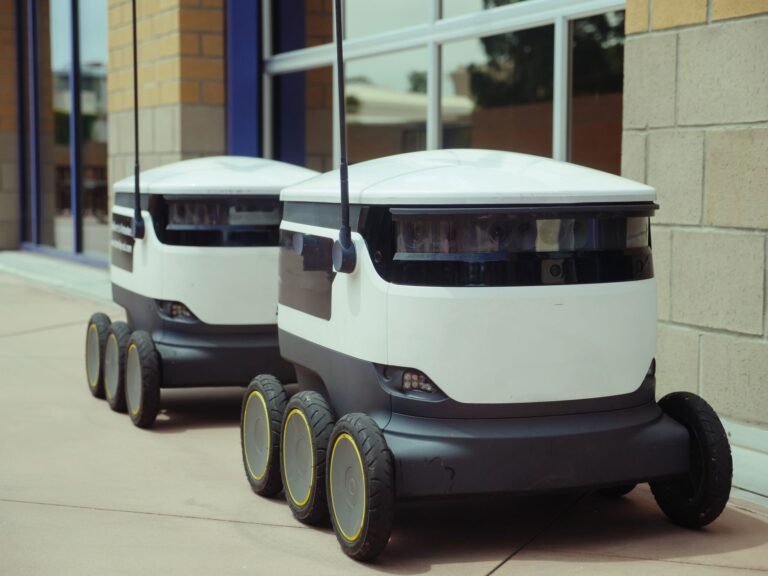
Industrial and collaborative robots have largely sidestepped the uncanny valley by embracing their mechanical nature. A factory cobot with obvious joints and no attempt at human features doesn’t trigger discomfort—users accept it as a tool. But humanoid robots designed for social interaction, whether in homes, hospitals, or customer service roles, cannot ignore the uncanny valley because they’re explicitly being positioned as social entities, not just tools.
Should Roboticists Pursue Realism or Stylization?
The trade-off is genuine. Realistic humanoid design offers potential advantages for tasks requiring intuitive human-robot collaboration—people might naturally hand objects to a human-like robot or feel more comfortable around it in intimate settings like healthcare. Stylized or clearly artificial designs reduce psychological barriers and can actually increase engagement by feeling more approachable and less threatening.
The choice isn’t objectively right or wrong; it depends on the robot’s intended context. For social robots entering homes or hospitals, many recent projects have moved away from photorealistic human faces toward clearly stylized appearances with exaggerated features, larger eyes, or simplified proportions. This appears to correlate with higher user acceptance and fewer reports of creepiness or discomfort. For industrial applications or robots where humans maintain clear boundaries, human likeness matters much less.
The Consent and Relationship Problem
One often-overlooked dimension of the humanoid robot debate involves user expectations and consent. When a robot looks and moves like a human, people unconsciously apply human social rules to it—expectations about respect, autonomy, and emotional reciprocity. This can create problems. A realistic-looking robot that doesn’t actually understand emotion or consent can feel manipulative or troubling to interact with, especially in intimate care scenarios.
Users may project human-like understanding onto the machine and feel violated or disturbed when the robot reveals its limitations. There’s also a warning about cultural sensitivity. Different cultures have different thresholds for uncanny valley effects, different relationships with anthropomorphic objects, and different concerns about robots that might appear to mock human characteristics. A design that works in one market may trigger strong negative reactions in another.
How Industry Is Responding to Uncanny Valley Concerns
Some robotics firms now conduct user testing specifically to identify and avoid uncanny valley triggers before manufacturing. Others consult with behavioral psychologists and neuroscientists to understand how different design choices affect perception. A few companies have published research on their design decisions, showing iterative processes where they deliberately chose non-human features based on user feedback.
The industry isn’t settling on a single answer. Different manufacturers are testing different philosophies, and the market is gradually revealing which approaches work best in which contexts. What’s becoming clear is that the uncanny valley isn’t just a quirk of human psychology—it’s a real constraint that affects how humanoid robots can integrate into society.
The Ongoing Debate About What Humanoid Robots Should Actually Look Like
As robotics capability improves, the question of appearance becomes increasingly important—not because the technology requires human-like features, but because society’s acceptance does. Engineers are learning that the uncanny valley effect is predictable enough to design around. The real frontier isn’t achieving photorealistic androids; it’s understanding what degree of human likeness actually serves the robot’s intended purpose.
The videos that spark debate online often do so precisely because they sit in that uncomfortable middle zone. They show machines advanced enough to be impressive but not so advanced that people’s brains accept them as natural. This debate will likely persist as humanoid robots become more common, but the outcome seems to be moving toward a more pragmatic understanding: robots don’t need to look human to be effective, and attempting to do so may be counterproductive.
- —